Pregnancy week 21: symptoms, baby size and tips
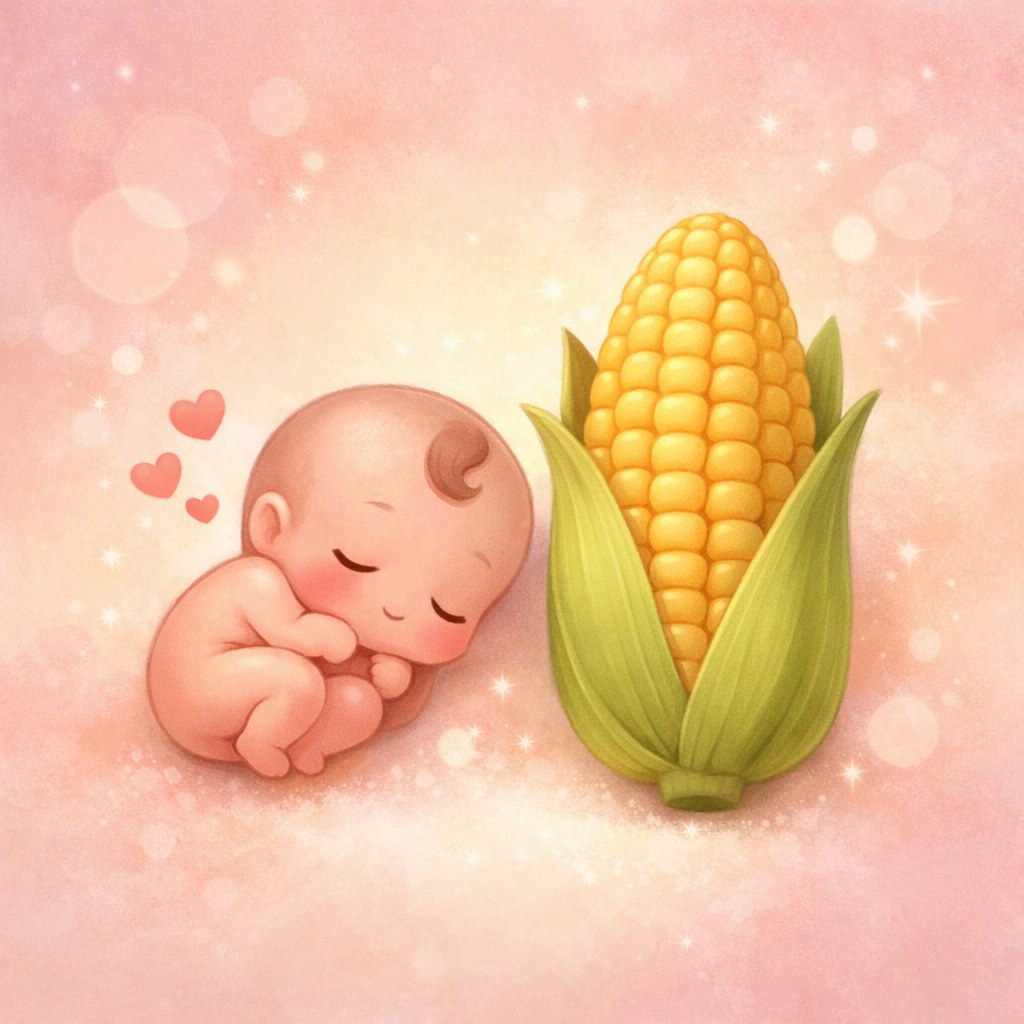
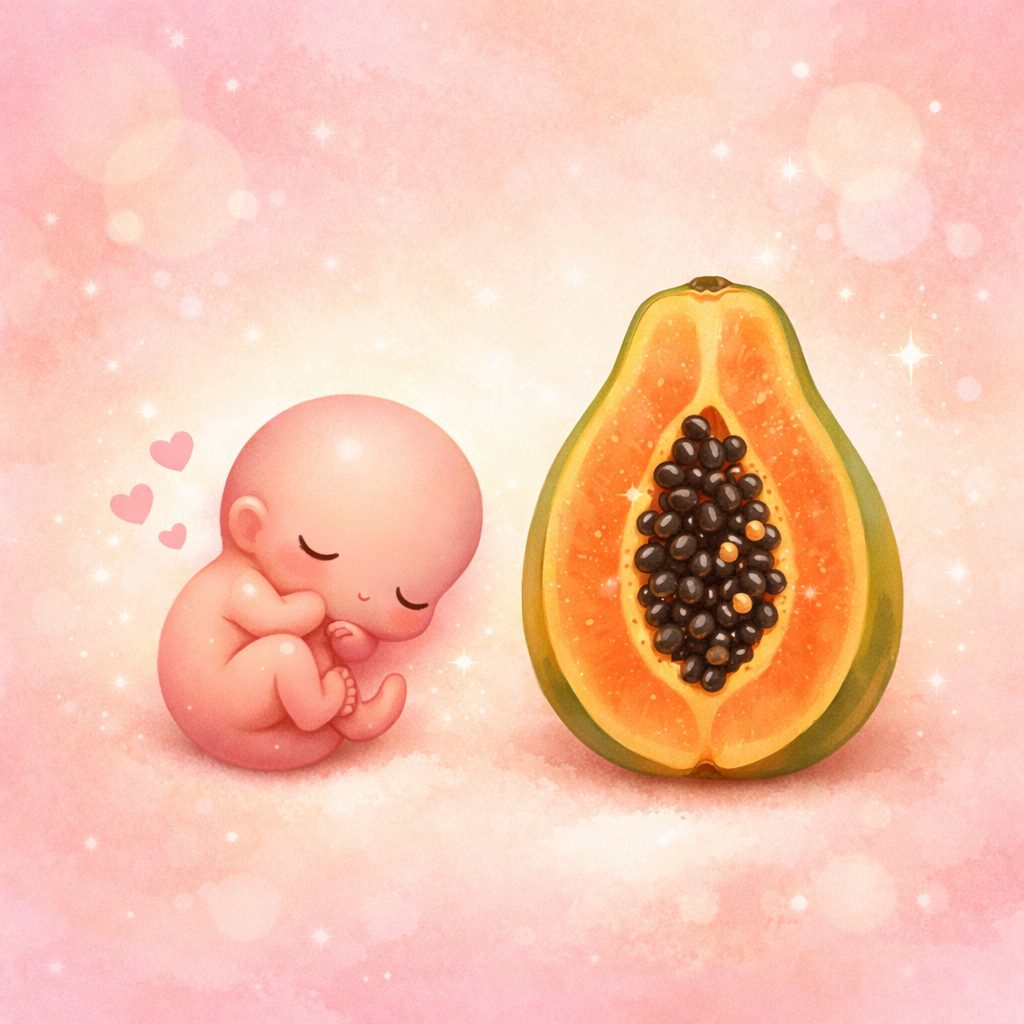
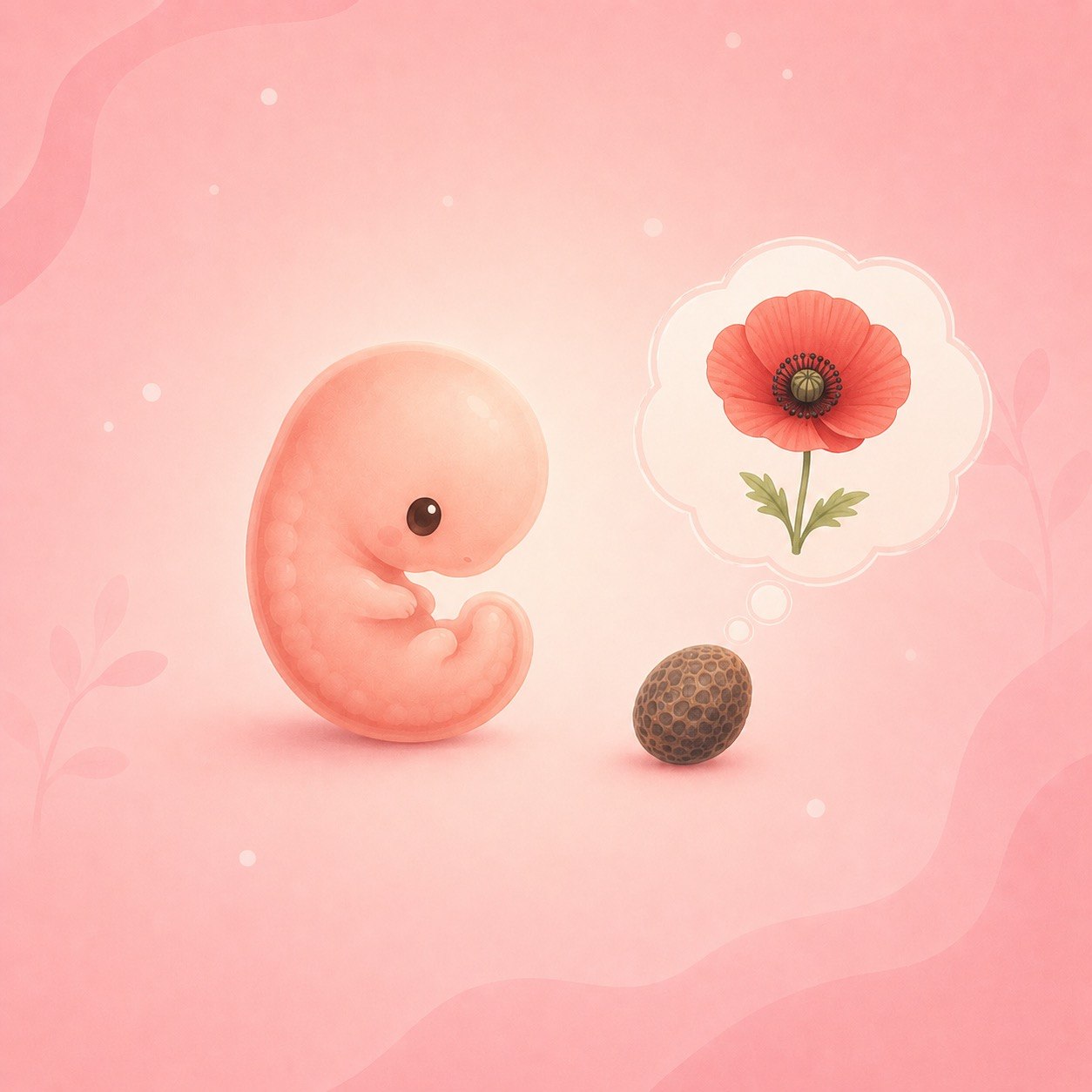
Welcome to pregnancy week 21, a beautiful stage of your second trimester. Your baby is now roughly the size of a carrot, measures about 27 centimetres and you can feel their movements more clearly every day. Something magical is happening too: they’re starting to taste what you eat. Let me walk you through it, as always ❤️.
If you’re coming from pregnancy week 20, you’re doing great. And if you want the full journey at hand, check out our pregnancy week by week guide.
What is pregnancy week 21?
As always, pregnancy weeks are counted from the first day of your last period (LMP), not from conception. In week 21 you’re about 19 weeks past fertilisation, you’re closing your fifth month of pregnancy (weeks 18 to 21) and you’re still in the middle of the second trimester, which runs from week 13 to 28.
For many women, this is one of the most enjoyable phases of pregnancy: your bump has a clearly visible rounded shape, your energy tends to come back after the first trimester and your baby’s movements become a daily joy. There are still a few weeks before the bump feels heavier, so it’s a great time to enjoy it.
How is your baby developing in week 21?
Your little one keeps growing and maturing at full speed:
- They’re bigger and heavier: now about 27 centimetres from head to toe and weighing around 350 grams — roughly a large carrot.
- They taste what you eat: through the amniotic fluid, your baby begins to pick up the flavours of your food. It’s the start of their future taste preferences.
- Their hearing keeps improving: they now perceive your voice, your heartbeat and outside sounds. Talking to them and playing gentle music is lovely.
- They practise breathing: although they still get oxygen through the cord, they rehearse breathing and swallowing movements with the amniotic fluid.
- Their eyebrows and eyelids are formed: and their eyelashes are starting to appear. Their face is more and more defined.
- They move with strength: kicks, stretches and rolls that you now notice clearly, especially when you’re resting.
- They get hiccups sometimes: that rhythmic “tap-tap” in your belly is your baby practising swallowing. It’s a sign their nervous system is maturing.
If you haven’t yet, remember your hCG level is still reliable and you can take our free online pregnancy test to get a sense of your symptoms, and if you fancy a bit of fun, try our fingerprint pregnancy test game: it’s just for fun, not a real test.
What symptoms are normal in week 21?
The second trimester is usually the easiest, but there are a few typical symptoms at this stage:
- Movements that get stronger: kicks, stretches and rolls that sometimes even surprise you. They’re often easiest to notice when you’re resting.
- A rhythmic “tap-tap” in your belly: it may be your baby hiccuping while practising swallowing amniotic fluid.
- Back and pelvic pain: the growing bump shifts your centre of gravity. Good posture and gentle stretching help.
- Cramps or pulling in your lower belly: your round ligament and muscles stretching as the uterus expands.
- Heartburn and constipation: your uterus presses on your abdomen and hormones relax your digestion.
- Dizziness or light-headedness: more common as the uterus presses on your blood vessels. Standing up slowly and staying hydrated helps.
- Sensitive gums: they bleed easily because of hormonal changes. Good dental hygiene stays important.
Notice almost nothing? That’s also completely normal. Every woman lives every week differently.
How big is the baby in week 21?
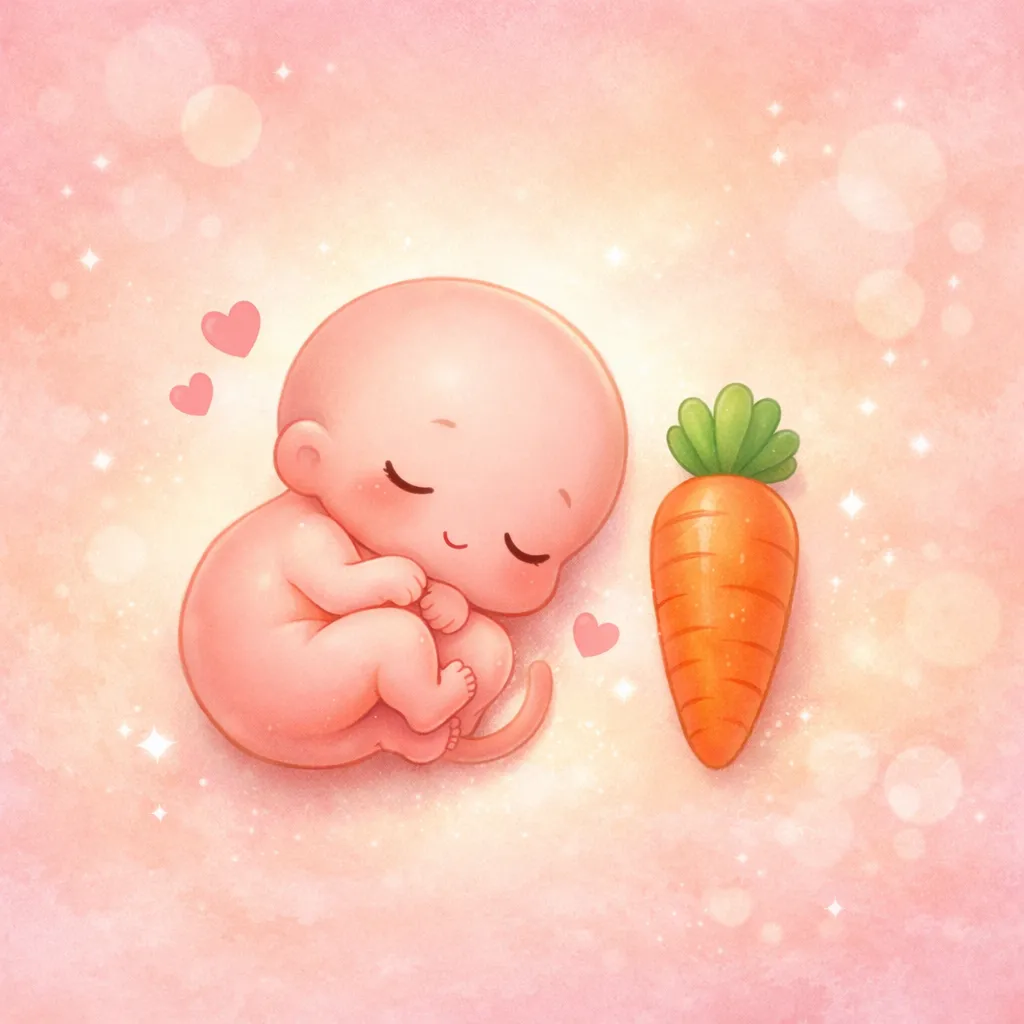
The baby in week 21 measures about 27 centimetres (head to toe) and weighs around 350 grams — roughly the size of a large carrot. At this stage:
- Their skin keeps maturing: covered in vernix caseosa and lanugo, some fat starts to form to keep them warm.
- Their senses are waking up: they feel touch, hear sounds and perceive the flavours of your food.
- Their digestion is being trained: they swallow amniotic fluid and practise breathing.
- They form eyebrows, eyelids and eyelashes: their face has more and more expression.
- They move with strength: kicks and stretches that you now notice clearly.
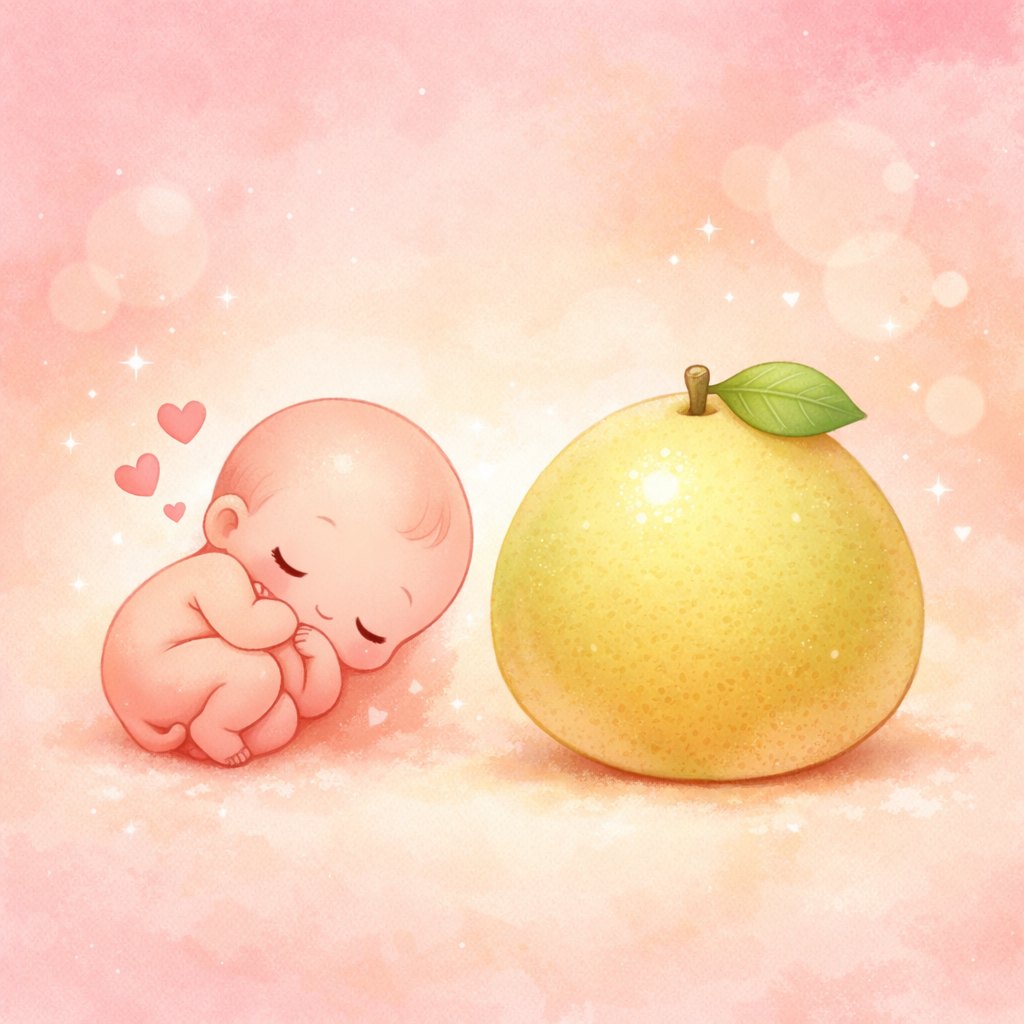
This is the last stretch of the fifth month and, within a few weeks, your baby will be getting close to the 30-centimetre mark, starting to resemble a small melon or papaya.
Tips for week 21
- Talk and sing to your baby: although it’s not certain exactly how much they hear, they perceive your voice. It’s a beautiful bond.
- Take care of your diet: your baby now tastes the flavours of what you eat, so a varied, healthy diet introduces them to the world of taste from the womb.
- Eat smaller meals: they’ll help with heartburn and digestion.
- Watch your posture: with your bump growing, sit and stand tall, and avoid heavy lifting.
- Stand up slowly: to avoid dizziness or light-headedness, take your time and stay hydrated.
- Sleep on your side, preferably the left: it improves circulation to your uterus and eases heartburn. Put a pillow between your legs.
- Don’t compare your bump with others: every body and every pregnancy is different. Only worry if you notice something unusual.
- Keep up your folic acid and a good diet: avoid alcohol, tobacco and raw foods. Always ask your doctor if you have any doubts.
- Don’t self-medicate: always ask your doctor before taking anything, even creams or natural remedies.
- Work out your estimated due date with the pregnancy calculator and check which week you’re in with the how many weeks pregnant am I calculator.
FAQ
What month of pregnancy is week 21?
You’re in your fifth month of pregnancy (weeks 18 to 21), inside the second trimester. You’re about 19 weeks past fertilisation.
How big is the baby in week 21?
About 27 centimetres from head to toe and around 350 grams — roughly the size of a large carrot.
Is it normal for the baby to hiccup inside the womb?
Yes, it’s completely normal and a very good sign: it means they’re practising swallowing amniotic fluid and their nervous system is maturing. You’ll notice a rhythmic “tap-tap” that comes and goes.
Can the baby hear me in week 21?
Yes, their hearing is more and more developed and they perceive your voice, your heartbeat and other outside sounds. Talking, singing or playing gentle music is a lovely way to connect.
Why do I feel more dizzy this week?
The uterus grows and presses on the blood vessels, which can lower your blood pressure in some positions. Stand up slowly, stay hydrated and, if the dizziness is very frequent, mention it to your doctor.
Is it normal not to feel the baby moving yet?
By week 21 most women feel something, but every pregnancy is unique and the position of the placenta plays a role. If you have doubts or repeatedly don’t feel movement, talk to your professional.
Sources
- MedlinePlus — Fetal development
- WHO — Antenatal care
- NHS — Pregnancy week by week
- ACOG — How your fetus grows during pregnancy
- NHS — Back pain in pregnancy
- NHS — Pelvic pain in pregnancy
- NHS — Your baby’s movements
Remember this article is for information only. If you have any doubts about your health or feel that something might be out of the ordinary, talk to your doctor. They can guide you through the right checks and support you in this very special moment ❤️.