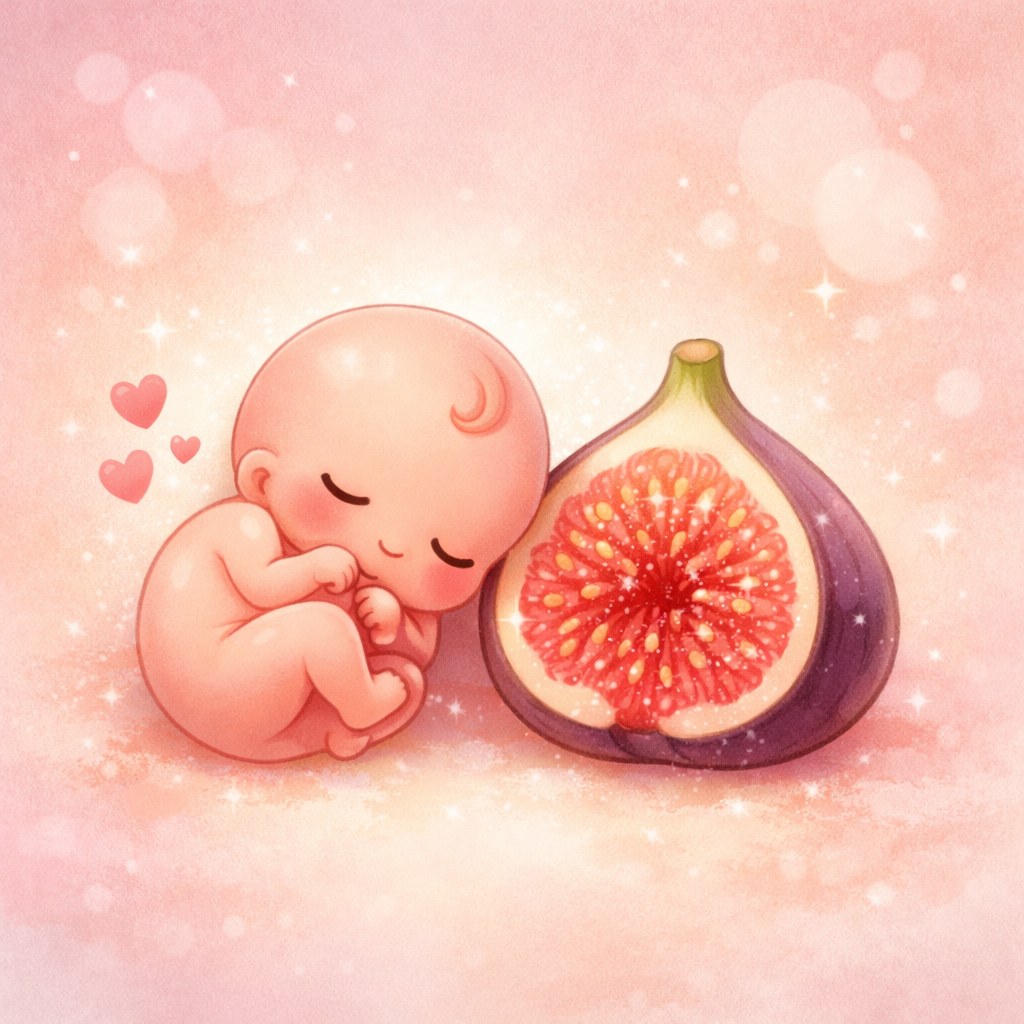
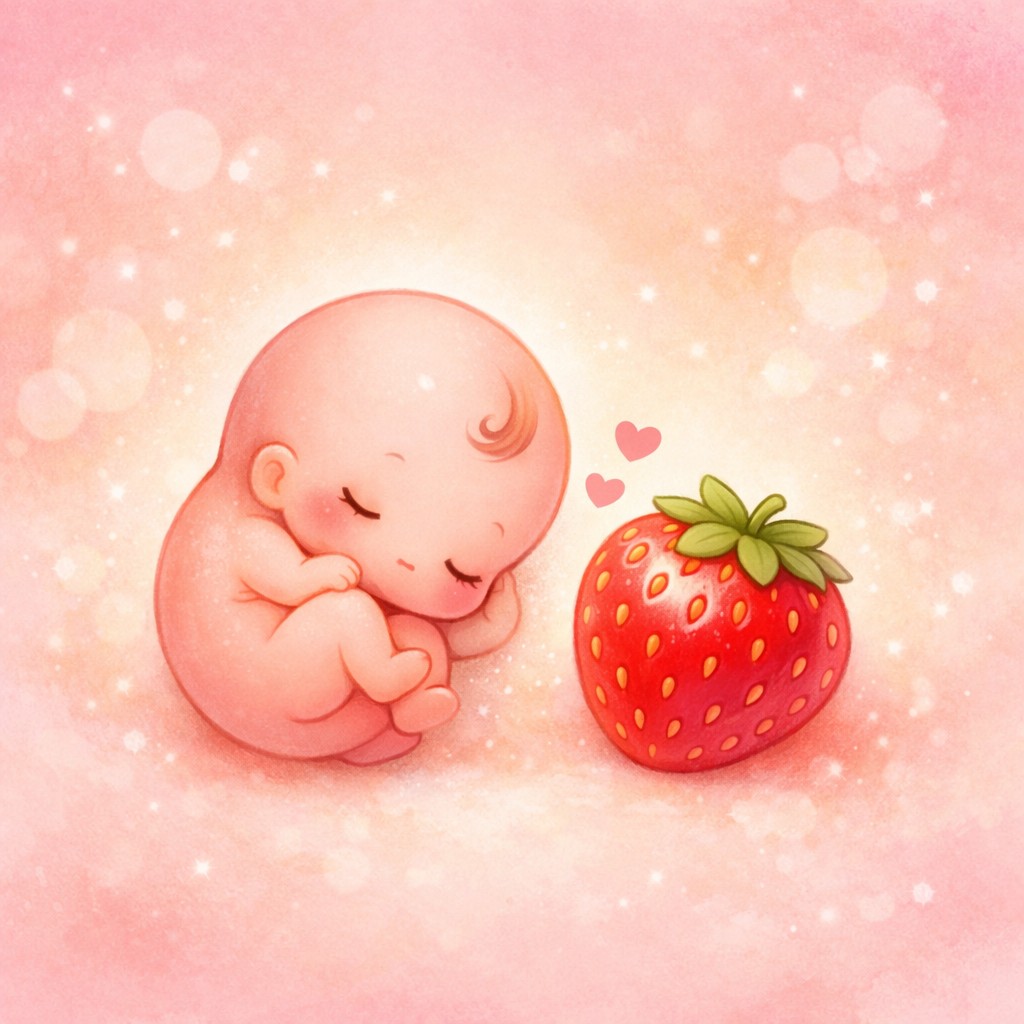
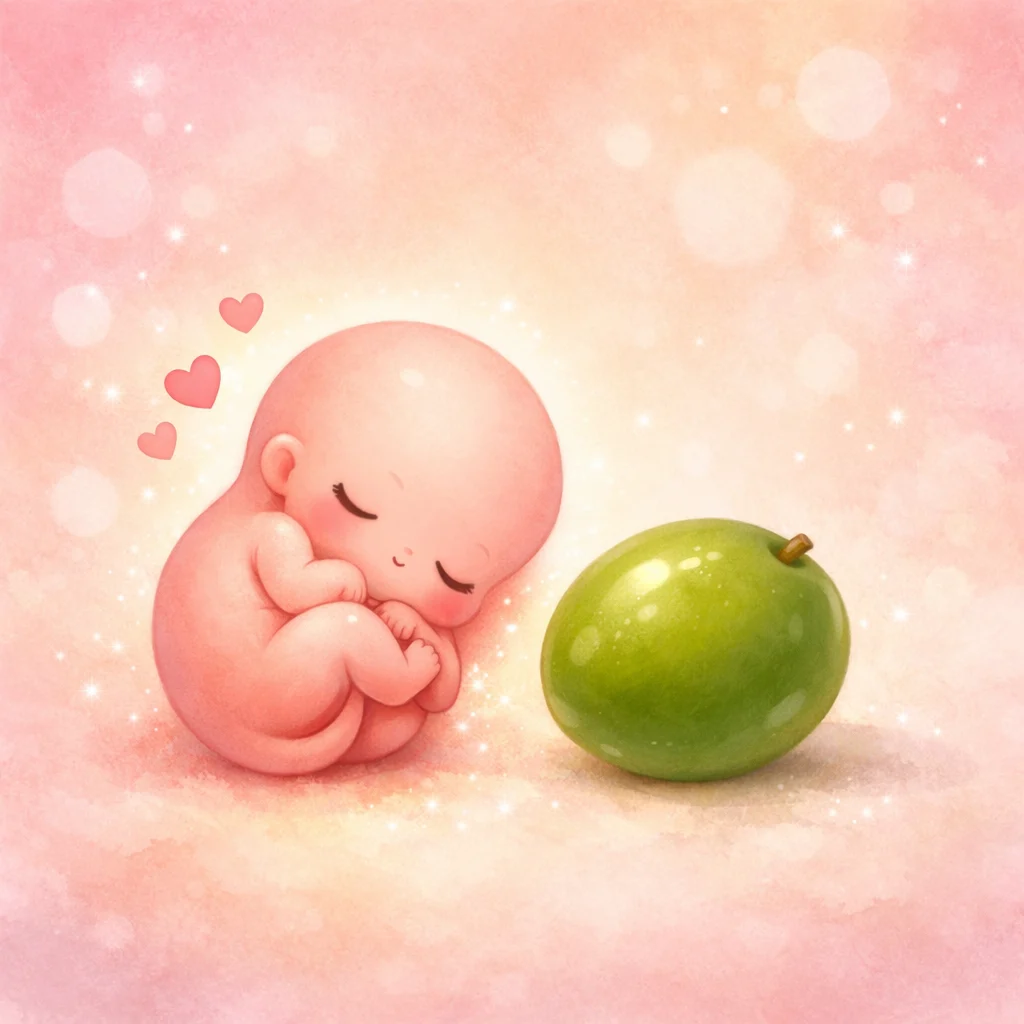
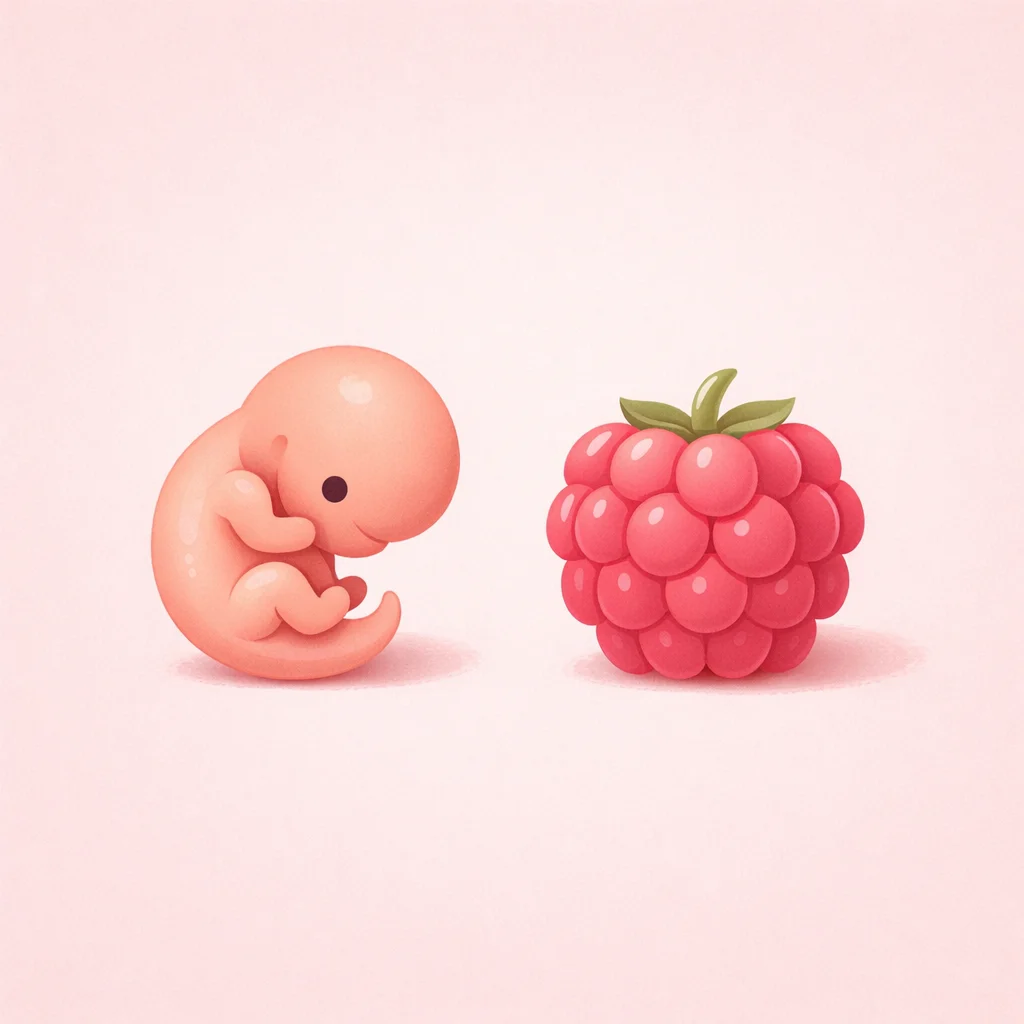
Pregnancy week 23: symptoms, baby size and tips
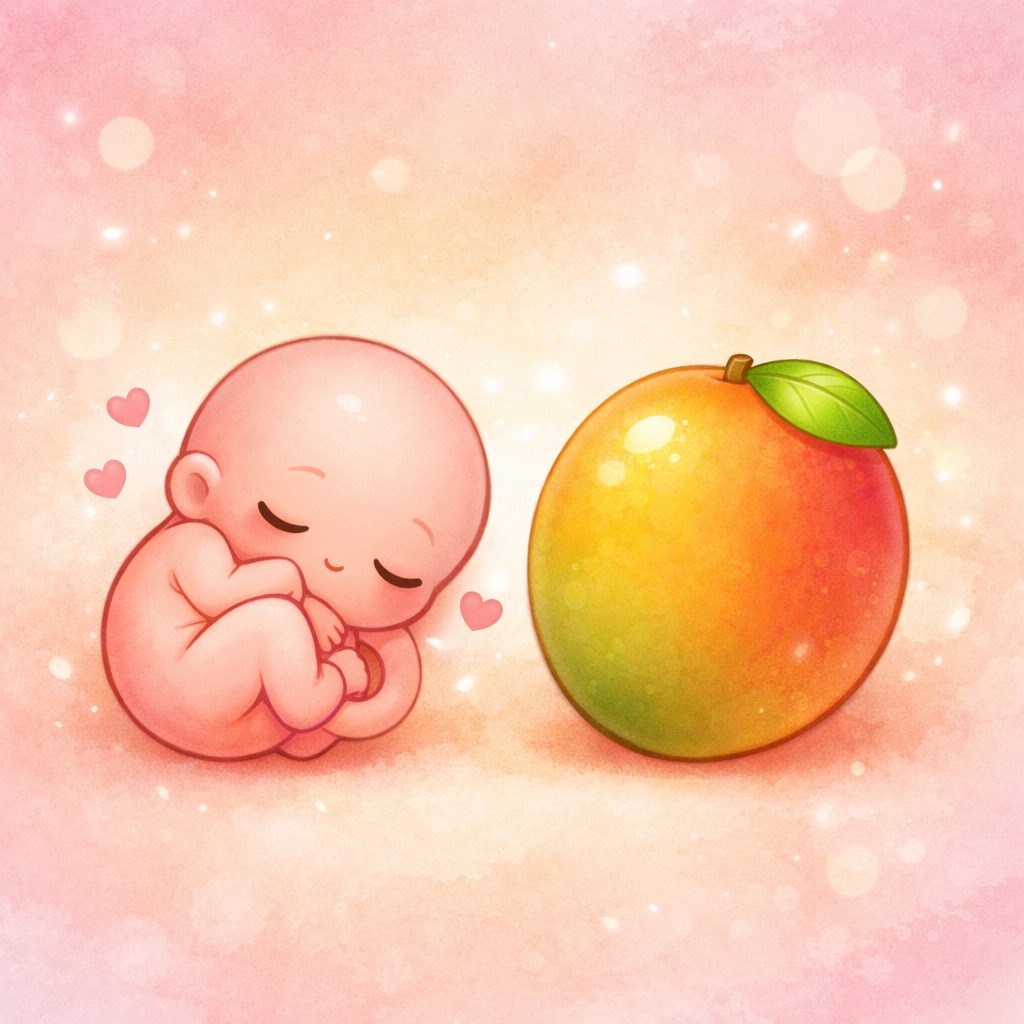
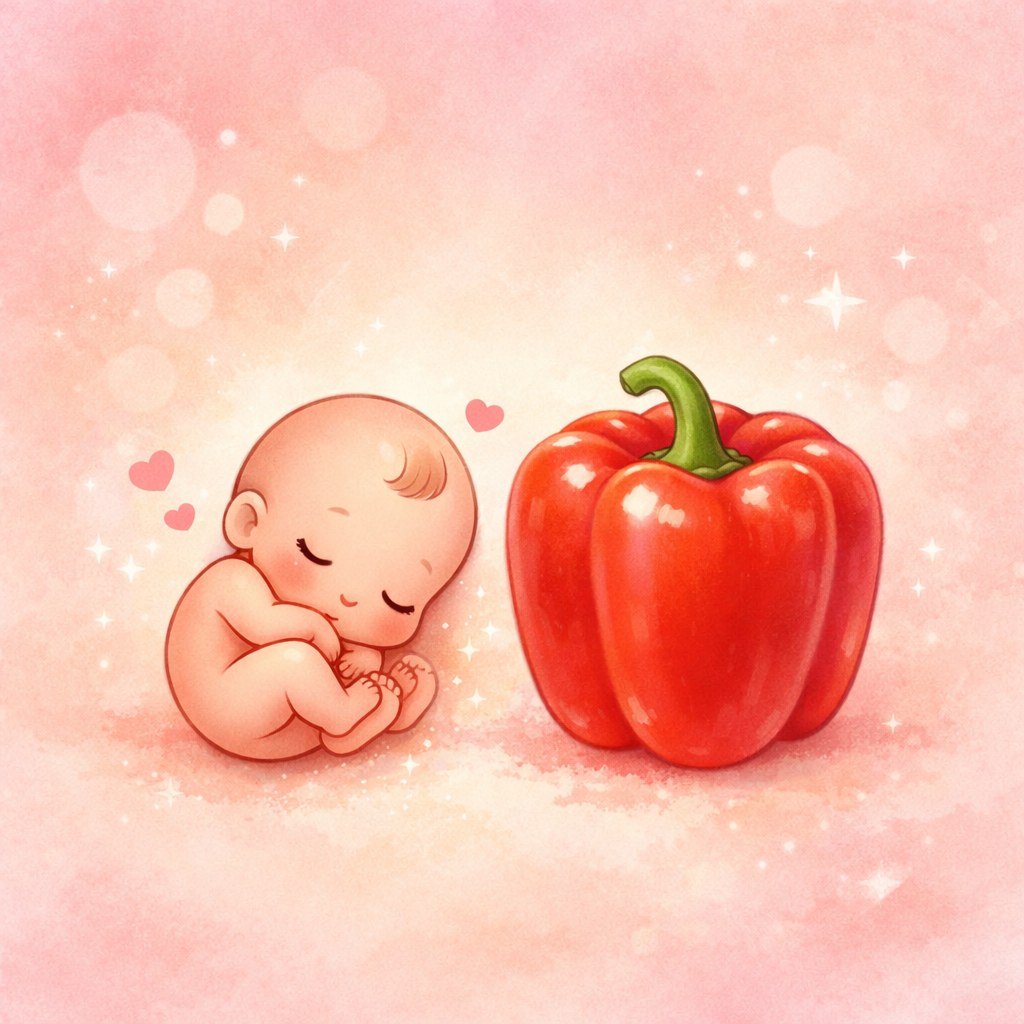
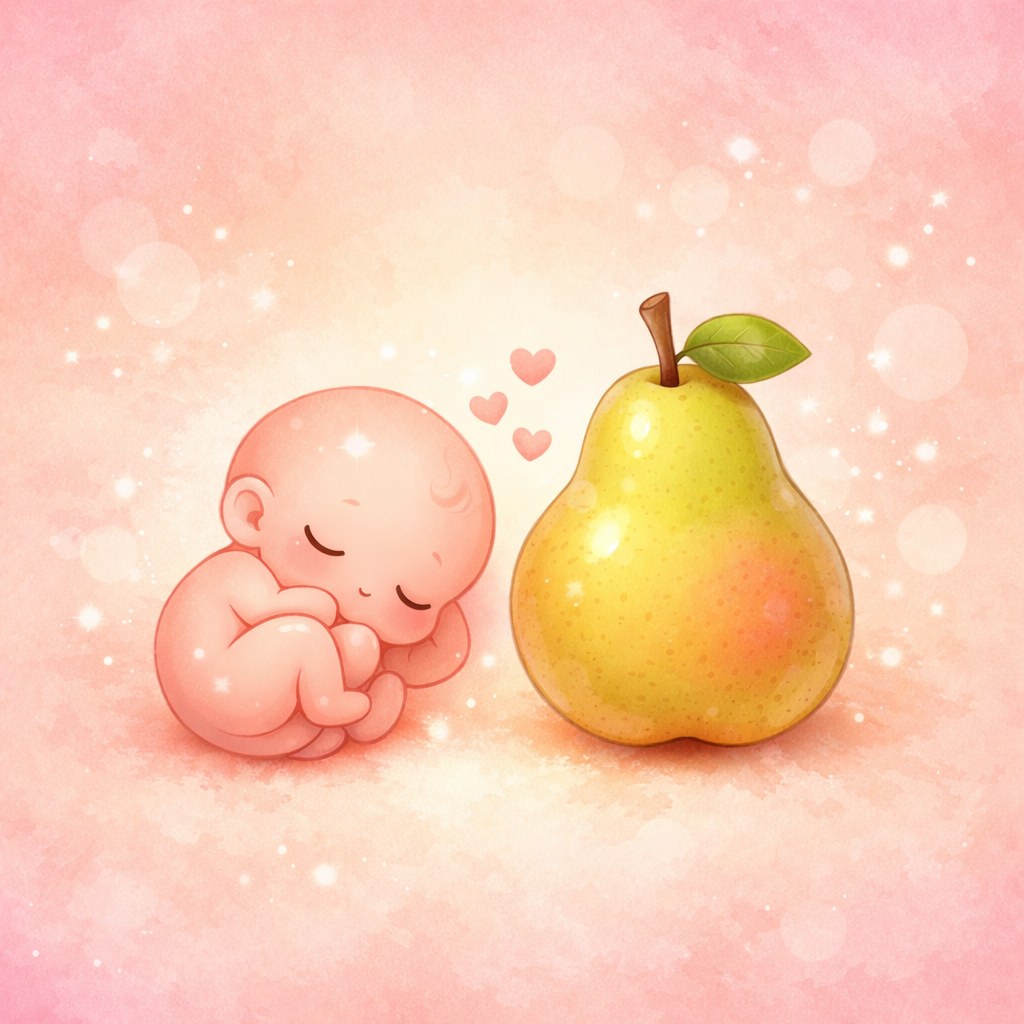
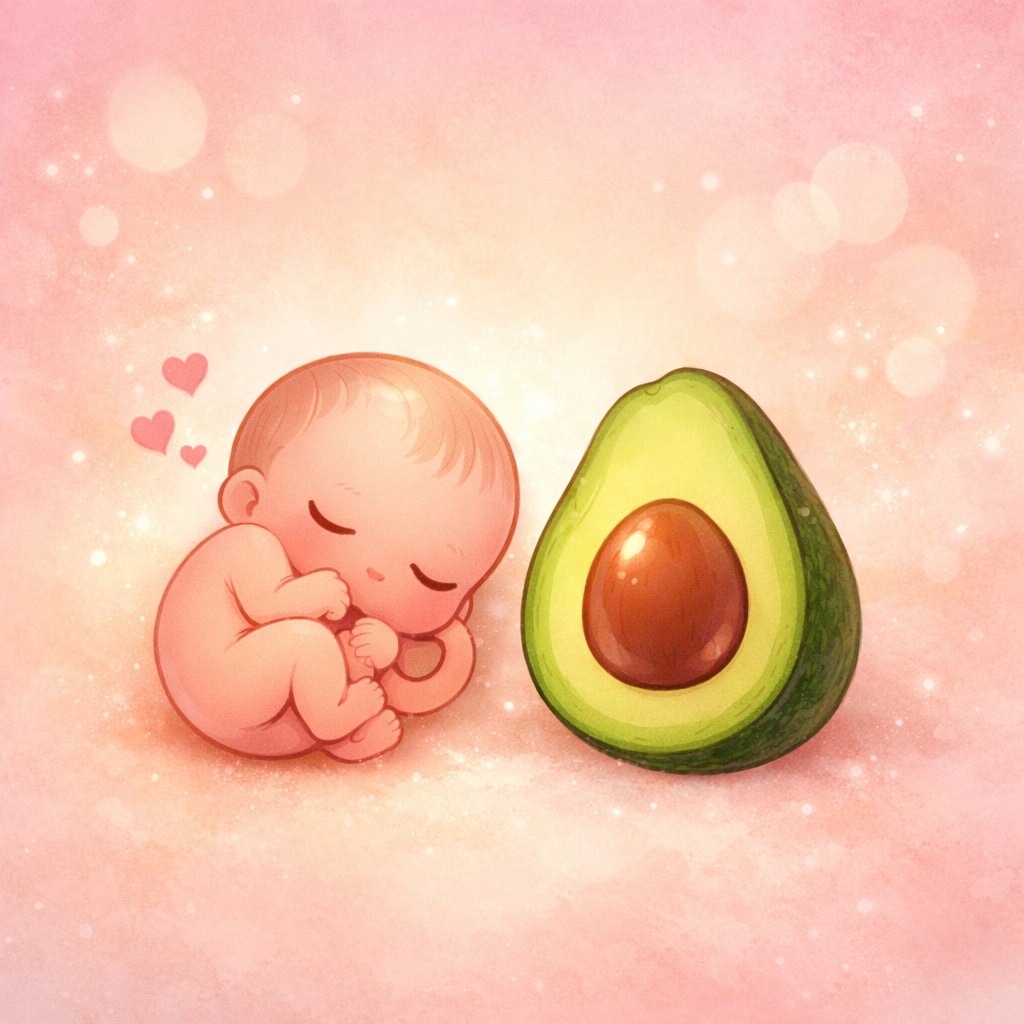
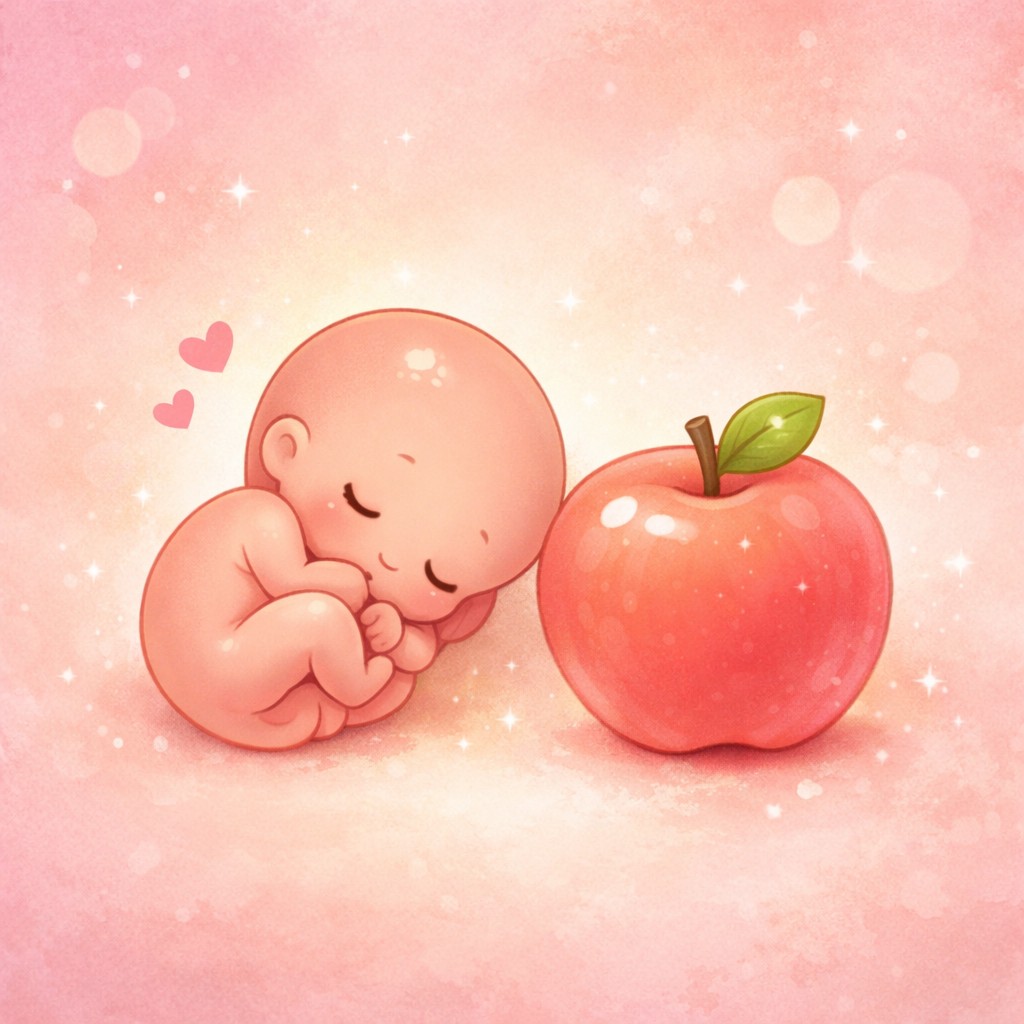
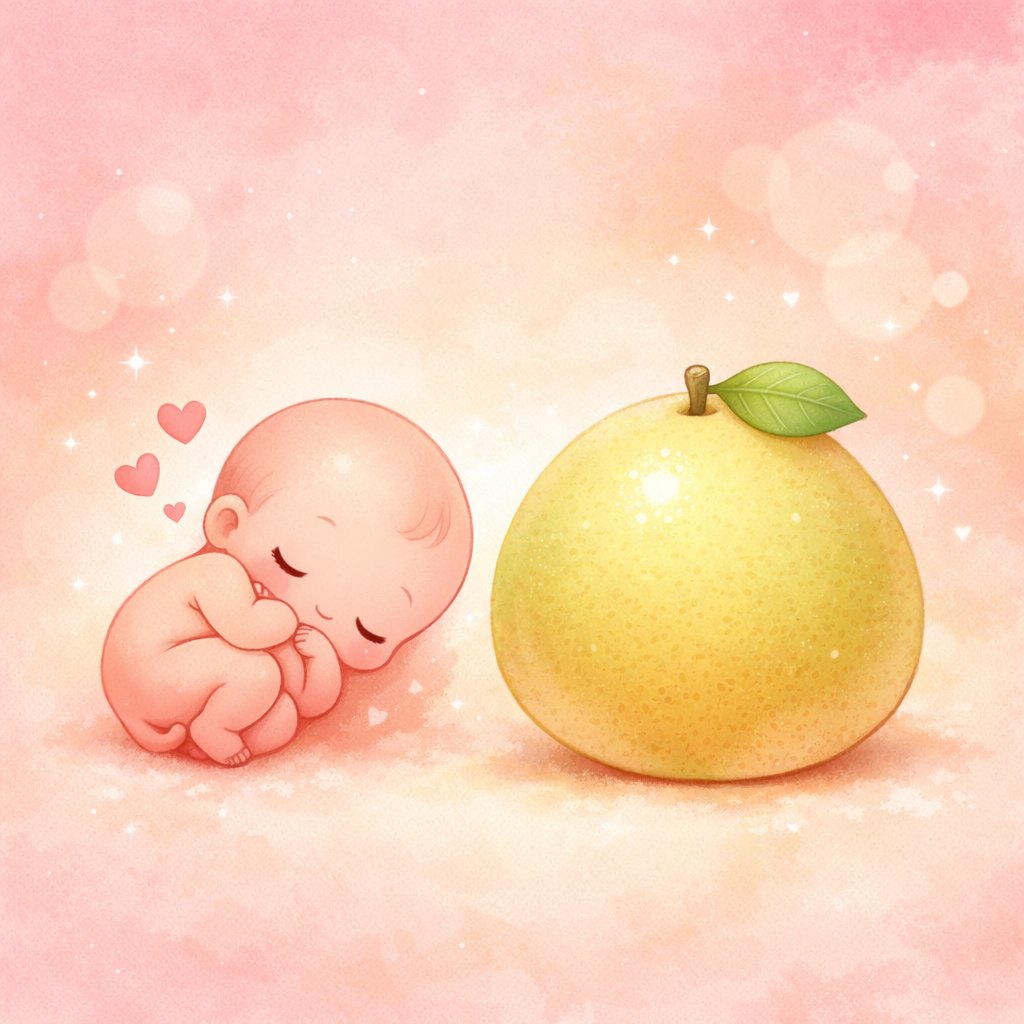
Welcome to pregnancy week 23 – the week your baby reaches the size of a grapefruit and tips past 500 grams. You’re in your sixth month, your bump has well and truly arrived, and those little kicks have turned into a proper conversation between the two of you. Let me talk you through it, as always ❤️.
Coming from pregnancy week 22? You’re doing brilliantly. And if you’d like the whole journey in one place, have a look at our pregnancy week by week guide.
What’s happening at 23 weeks pregnant?
Pregnancy weeks are counted from the first day of your last period (LMP), not from the day you conceived. At week 23 you’re roughly 21 weeks past fertilisation, you’re in your sixth month (weeks 22 to 26) and still well within the second trimester, which runs from week 13 to 28.
If you go to full term, you’ve got about 17 weeks left until week 40. That sounds like a lot written down, but these are the calm weeks – the ones where you can actually sleep, eat and enjoy yourself. Make the most of them.
How big is your baby at week 23?
Your little one is growing steadily and putting on weight nicely this week:
- Length: around 29 centimetres from head to heel.
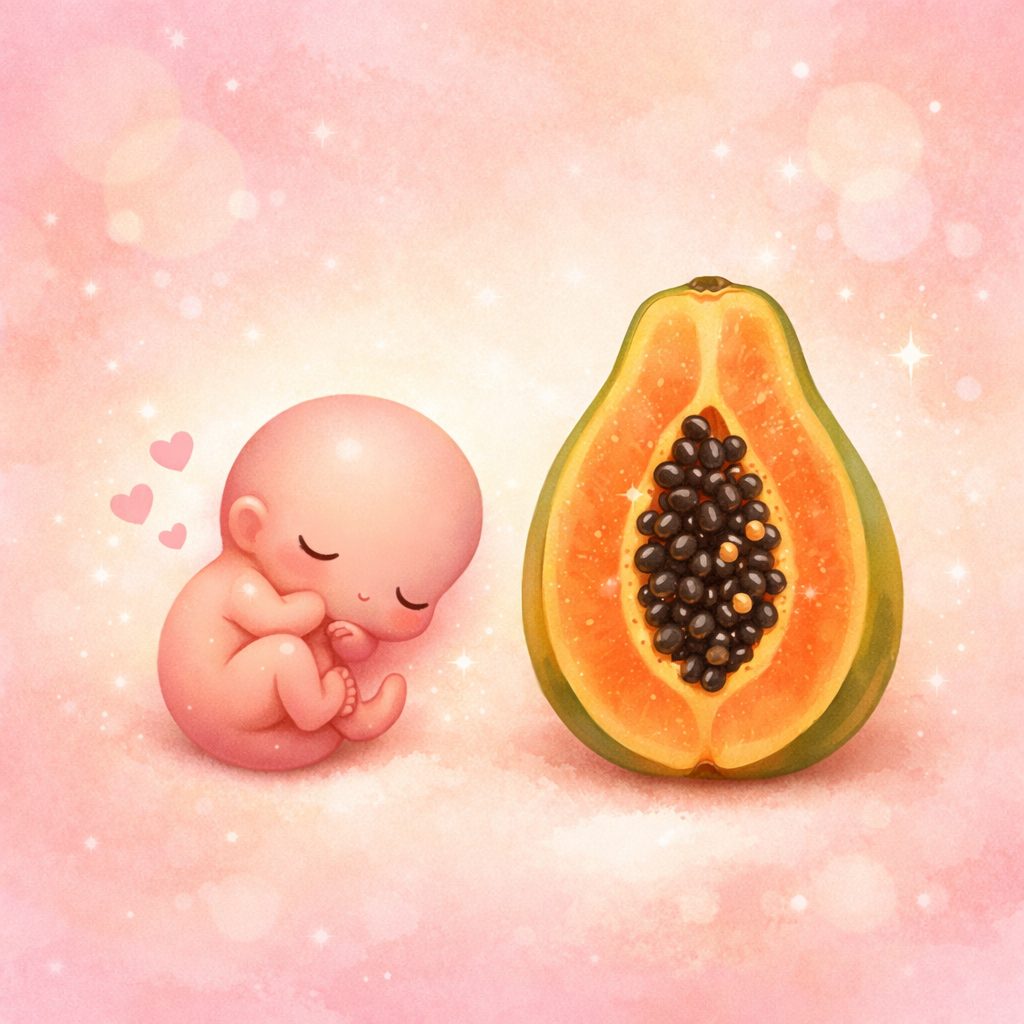
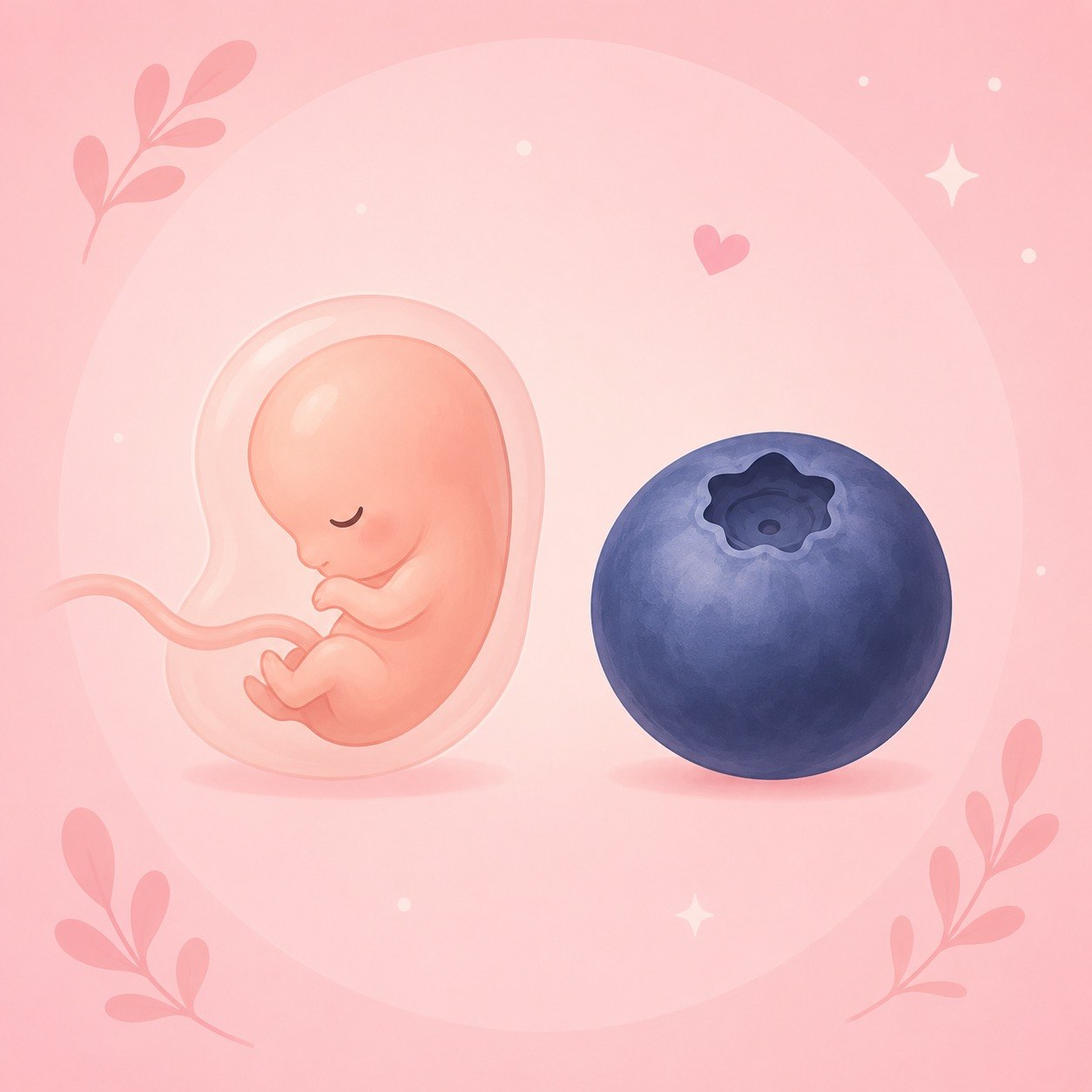
- Weight: between 500 and 600 grams – roughly a large grapefruit.
- Their skin is still wrinkled and see-through, but the fat that will plump it out is starting to build up underneath.
What your baby is doing this week
Every week they look more like a miniature newborn. Here’s what’s going on inside:
- They can genuinely hear you now: their hearing is developed enough to pick out your voice, your heartbeat and sounds from outside. Talk or sing the same song often and they’ll recognise it after birth.
- Their lungs are getting ready: the bronchioles and the first air sacs are forming. They’re nowhere near ready to breathe air, but the groundwork is being laid.
- They startle and respond: the startle reflex is in place, so a sudden noise or jolt can make them jump inside your bump.
- They have their own timetable: babies this age sleep in cycles – REM sleep included – and have busy and quiet spells. That’s why some days they won’t stop and other days barely make themselves known.
- Their features are sharpening: hair is growing on their head, eyebrows and eyelashes are formed and fingernails are appearing. Their eyes still haven’t got their final iris colour.
- Still wrapped in lanugo and vernix: that fine downy hair and the protective coating looking after their skin in the womb.
- Practising sucking and swallowing: they suck their thumb and swallow amniotic fluid, giving their digestive system a workout ready for feeding.
If you haven’t confirmed your pregnancy yet, or you just want a sense of what your symptoms might mean, you can take our free online pregnancy test. And if you fancy a bit of fun, try your luck with our finger pregnancy test game: it’s only a game, not a real test.
Symptoms at 23 weeks pregnant
Every pregnancy is different, but around week 23 most people notice:
- Stronger, more definite kicks: especially when you lie down to rest.
- A heavier, rounder bump: you’ll feel the extra weight in your lower back by the end of the day.
- Braxton Hicks contractions: mild, irregular and painless. They’re practice runs.
- Heartburn or reflux: your growing uterus is pushing your stomach upwards.
- Breathlessness on exertion: your uterus is pressing on your diaphragm, so stairs suddenly feel like a workout.
- Leg cramps and swollen ankles: classic late-afternoon complaints.
- More vaginal discharge: normal, as long as it’s whitish and without a strong smell.
- A fresh wave of tiredness: yes, the second trimester is supposed to be the energetic one. Every pregnancy runs to its own schedule – listen to your body.
What to do about contractions at 23 weeks
Braxton Hicks are irregular, don’t get stronger and ease off if you change position or drink some water. But if your contractions become regular, painful or closer together, if you notice fluid loss or bleeding, or if your baby stops moving as they normally do, don’t wait for your next appointment: call your midwife or maternity unit straight away. When in doubt, always ask.
Sleeping well at 23 weeks
Your bump is starting to get in the way at night. Sleep on your side, ideally your left, with a pillow between your knees or a cushion under your bump – it takes the pressure off your back and helps your circulation. If cramps wake you up, stretch your leg out and pull your toes towards you.
Tips for week 23
- Keep hydrated and watch your iron: load up on pulses, lean meat and nuts. If your midwife has prescribed a supplement, don’t skip it.
- Gentle exercise: walking, swimming or prenatal yoga, plus keep working on your pelvic floor with Kegel exercises.
- Look after your back: avoid heavy lifting and sit with your back supported and your feet flat on the floor.
- Talk, sing and play music to your baby. Your voice reaches them clearly now.
- Put your feet up for a while in the evening if your ankles feel puffy.
- Start a list of questions for your next antenatal appointment – there’s no such thing as a silly one.
- If you’re unsure how far along you are, use my gestogram to estimate your due date or check with the pregnancy weeks calculator.
FAQ
How many months pregnant am I at week 23? You’re in your sixth month, which runs from week 22 to 26, still inside the second trimester.
How big is the baby at 23 weeks? About 29 centimetres from head to heel and between 500 and 600 grams – roughly a large grapefruit.
Is it normal to feel fewer movements some days? Yes. Your baby has sleep and wake cycles and quieter days too. What matters is that they keep to their usual pattern. If a long time passes without movement, or the pattern changes, contact your midwife.
Why am I short of breath if everything is fine? Your uterus is pushing up on your diaphragm and pregnancy hormones make you breathe more deeply. It’s normal – but if you’re breathless at rest or have palpitations, get it checked.
Should I be feeling labour contractions by now? No. What you’re feeling are Braxton Hicks, practice contractions. Real labour contractions are regular, build in intensity and don’t stop when you change position.
How much weight should I have gained by now? It depends on your starting BMI and how your pregnancy began, so there’s no single figure. Your midwife will track it at each appointment – if you’re worried, just ask.
Remember that every pregnancy is unique and this article is only a guide. If you have any concern or symptom that worries you, always speak to your doctor or midwife, and enjoy this lovely stage ❤️.
Sources
- MedlinePlus — Fetal development
- ACOG — How your fetus grows during pregnancy
- WHO — Antenatal care
- NHS — Pregnancy week by week
- NHS — Indigestion and heartburn in pregnancy
- NHS — Back pain in pregnancy
- PubMed — Length of human pregnancy and contributors to its natural variation (PMID 23922246)
This article is for information only and doesn’t replace the advice of your doctor or midwife. If you have any concerns about your pregnancy, always speak to a healthcare professional ❤️.