Pregnancy week 24: symptoms, baby size and tips
24 weeks pregnant is the week you cross a line that matters: from now on, if your baby were born early, they’d have a real chance of surviving with intensive care. It’s called the viability milestone. Your baby is also the size of an ear of corn, your bump is getting heavy, and this is the stretch where the glucose test usually lands. Let me walk you through it ❤️.
Coming from pregnancy week 23? You’re doing brilliantly. And if you want the whole journey in one place, have a look at our pregnancy week by week guide.
What 24 weeks pregnant actually means
Pregnancy is dated from the first day of your last period (LMP), not from conception. At week 24 you’re about 22 weeks past fertilisation, you’re in your sixth month (weeks 22 to 26) and you’re still in the second trimester, which runs from week 13 to 28.
If you go to full term, you have around 16 weeks to go. And this is the week the medical goalposts move: below 24 weeks, a baby born early has very limited chances of survival. From 24 weeks onwards, with neonatal intensive care, those chances become real and keep improving week by week.
What “viable” does and doesn’t mean
Viable does not mean ready. It means that, with a neonatal team and an incubator, your baby could keep developing outside the womb. Their lungs are still very immature, their skin is paper-thin, and they’d need warmth, oxygen and help feeding.
So it’s good news underneath, but it’s not a warning sign and it doesn’t mean you’re heading for a premature birth. The vast majority of pregnancies carry on to around week 40. What changes is that, if there were ever a risk of early labour, your team has more options now – including antenatal steroids, which are offered from this gestational age to help the baby’s lungs mature before birth.
How many months is 24 weeks pregnant?
24 weeks is six months into your pregnancy – the sixth month runs from week 22 to week 26. It trips a lot of people up, because pregnancy months don’t line up neatly with calendar months: at 24 weeks you’ve completed five and a bit months, but you’re “in” your sixth. That’s exactly why your midwife talks in weeks, not months.
Your baby’s size and weight at 24 weeks
Your baby is growing steadily and it shows on the scale now:
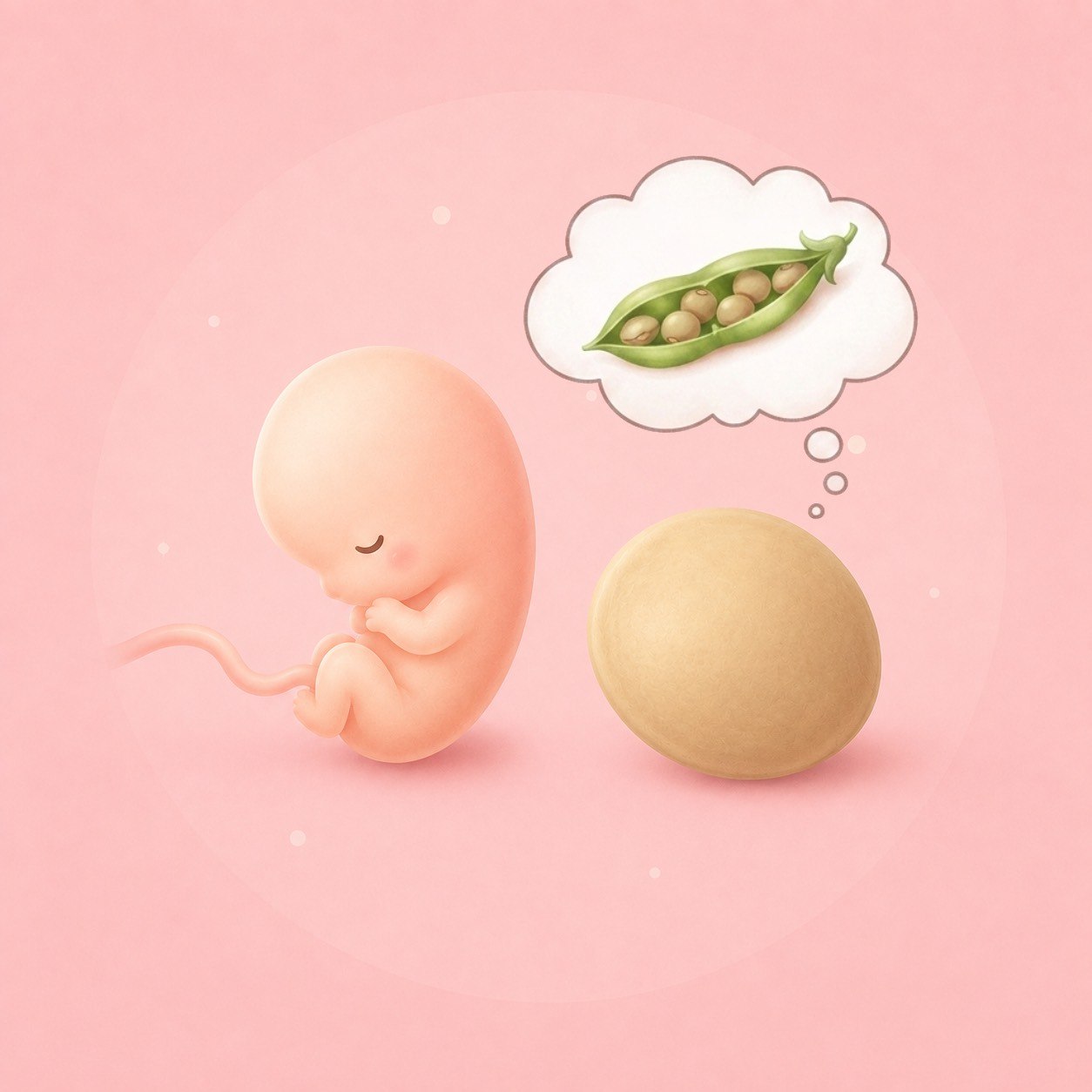
- Length: around 30 cm (11.8 in) from head to heel – about the size of an ear of corn.
- Weight: roughly 600-700 g (1.3-1.5 lb).
- Their skin is still wrinkled and see-through because the fat layer hasn’t filled it out yet. That fat is coming in the next few weeks.

What your baby can do this week
- They’ve started making surfactant, the substance that stops the air sacs in the lungs from collapsing when they breathe. It’s one of the reasons a premature baby at this age has a real chance with help.
- They’re practising breathing: chest movements and inhaling amniotic fluid – not breathing air, but rehearsing the muscles.
- Their inner ear gives them balance, so they notice when you move around.
- They have sleep cycles, including REM sleep. Their eyelids open and close, eyebrows and lashes are formed, and their fingerprints are final – those won’t change.
- They recognise your voice and react to sound. Talk or sing the same thing often and they’ll remember it after birth.
- Their features are defined: nose, lips and ears are all in place, just waiting for the fat that will fill them out.
What movement feels like at 24 weeks
From around now, most mums (especially first-timers) feel the baby every day. Everyone has their own pattern: busier periods – often in the evening when you finally sit down – and quiet stretches when they’re asleep.
The trick isn’t counting a set number, it’s knowing your baby’s rhythm. If a day feels unusually quiet, lie down on your side, have a cold or sweet drink and give it a bit of time. If they still aren’t moving as they normally do, don’t sit on it – call your midwife or maternity unit.
If you haven’t confirmed your pregnancy yet or want to make sense of your symptoms, you can take our free online pregnancy test. And if you fancy a bit of fun, try our fingerprint pregnancy test game – it’s just a game, not a real test.
Your bump and symptoms at 24 weeks
Every pregnancy is different, but around week 24 most people notice:
- A heavier, rounder bump, especially by the end of the day.
- Firm kicks and rolls, on their own schedule.
- Braxton Hicks contractions: mild, irregular and painless.
- Heartburn and reflux: your uterus is pushing your stomach upwards.
- Breathlessness on effort – stairs feel harder than they should.
- Leg cramps and slightly swollen ankles in the evening.
- Back pain and round ligament pain: short sharp twinges when you change position.
- More vaginal discharge, which is normal if it’s whitish and doesn’t smell strongly.
- Bleeding gums when you brush, or piles if you’re constipated.
If you’re expecting twins, most of this arrives earlier and harder: the bump is heavier, breathlessness comes sooner and you’ll usually be seen more often. Nothing is wrong – there are just two.
When to call your midwife straight away
Some things shouldn’t wait for your next appointment. Contact your midwife or maternity unit if you have:
- Regular contractions (every 10 minutes or closer) that don’t ease when you change position or drink water.
- Any fluid leaking from the vagina, or a feeling that your waters have gone.
- Vaginal bleeding, with or without pain.
- A severe headache with swelling in your hands and face or blurred vision – this can point to pre-eclampsia.
- A temperature above 38 °C or chills.
- Noticeably less movement than your baby’s normal pattern, especially if it lasts more than half a day.
- Pain in one side of your bump or in your shoulder that won’t settle.
Never worry about “bothering” anyone. Getting checked is always the right call.
The glucose test: which week, and what your numbers mean
Between week 24 and week 28 you’ll be offered screening for gestational diabetes – the glucose test (also called the glucose challenge or OGTT). It isn’t a random box-ticking exercise: gestational diabetes usually has no symptoms at all, but it can affect your baby’s growth and your birth, and once it’s picked up it’s very manageable.
Second-trimester tests: what you’re being offered and when
| Test | Which week? | What it’s for |
|---|---|---|
| Anomaly scan | 18-23 | Checking organs, growth and development |
| Glucose test (GTT) | 24-28 | Screening for gestational diabetes |
| Second-trimester bloods | 24-28 | Haemoglobin, iron, antibodies if you’re Rh negative |
| Growth scans / Doppler | As advised | Monitoring growth and the cord blood flow |
How the glucose test works, step by step
- It’s usually done in the morning, fasting (your unit will tell you whether you can sip water).
- You have a blood sample taken before the drink.
- You’re given a sugary drink and asked to finish it within a few minutes.
- You wait one hour, sitting quietly – no food, no walking about.
- A second blood sample shows how your body handled that sugar.
If that first result is raised, you’ll usually be invited back for a longer test (around 3 hours, with more samples) to confirm it.
| One-hour test result | What it usually means |
|---|---|
| Under 140 mg/dl (7.8 mmol/l) | Normal – no gestational diabetes |
| 140-190 mg/dl | Raised screening – a longer confirmatory test is offered |
| Over 190 mg/dl | Gestational diabetes is diagnosed without further testing |
Exact cut-offs vary slightly between hospitals and countries. What counts is how your own team reads your numbers.
If your result comes back high
It doesn’t mean you did anything wrong, and it doesn’t mean your baby will have problems. Gestational diabetes happens because pregnancy hormones make insulin work less well, and it’s controlled with food, movement and – if needed – insulin. Typically that means:
- Diet changes: spreading carbohydrates through the day, cutting back on fizzy drinks and sweet snacks, plus daily walks.
- Checking your blood sugar at home, if your team asks you to.
- Extra growth scans to keep an eye on how your baby is growing.
- For most people, blood sugar returns to normal after birth.
Tips for week 24
- Move daily: walking, swimming or pregnancy yoga. Keep up your pelvic floor exercises too.
- Look after your back: avoid heavy lifting, sit with your back supported, and sleep on your side with a pillow between your knees.
- Stay hydrated and watch your iron: pulses, lean meat and nuts; don’t skip any supplement you’ve been prescribed.
- Easy on the sugar in the run-up to the glucose test – no need for a crash diet, just don’t load up on sweets and fizzy drinks.
- Write your questions down for your next appointment, and ask about your birth plan.
- Look into antenatal classes – many units book up early.
- If you’re unsure about dates, use my gestogram to work out your due date or check how far along you are with the weeks of pregnancy calculator.
FAQ
How many months is 24 weeks pregnant? You’re in your sixth month, which runs from week 22 to week 26. Because pregnancy months don’t match calendar months, 24 weeks is often described as “six months” – but strictly speaking you’re six months into your pregnancy, not six calendar months along.
How big is a baby at 24 weeks? About 30 cm (11.8 in) from head to heel and roughly 600-700 g (1.3-1.5 lb) – around the size of an ear of corn.
Is my baby really viable at 24 weeks? This is the viability milestone: from 24 weeks, a baby born early can survive with intensive care, though they’re nowhere near ready to be born. It’s a marker of maturity, not a prediction of premature birth.
What week is the glucose test, and do I need to fast? It’s offered between week 24 and week 28. You’ll normally be asked to come fasting for the first blood sample; the sugary drink is given at the clinic. If your midwife says otherwise, follow her instructions.
What happens if the glucose test is high? You’ll be offered a longer confirmatory test, and if gestational diabetes is confirmed you’ll start with diet, exercise and monitoring. It’s common and very manageable, and it usually resolves after the birth.
Are contractions at 24 weeks normal? Braxton Hicks are normal – irregular, painless, and they ease when you change position. Regular, painful or increasingly frequent contractions are not: get checked straight away.
Why do I feel fewer movements some days? Babies have sleep cycles and quieter days. What matters is that your baby keeps their usual pattern. If the change is clear and lasts more than half a day, call your midwife.
How much weight should I have gained by now? It depends on your starting BMI and how your pregnancy began – there’s no single number. Your midwife will track it at each appointment, so ask her if you’re worried.
Remember, every pregnancy is different and this article is only a guide. If anything worries you, always speak to your midwife or doctor – and enjoy this lovely stage ❤️.
Sources
- MedlinePlus — Fetal development
- MedlinePlus — Blood sugar test
- ACOG — How your fetus grows during pregnancy
- ACOG — Gestational diabetes
- WHO — Antenatal care
- WHO — Preterm birth
- NHS — Pregnancy week by week
- NHS — Gestational diabetes
This article is for information only and doesn’t replace advice from your midwife or doctor. If you have any concerns about your pregnancy, always speak to a healthcare professional ❤️.