Pregnancy week 9: symptoms, ultrasound and baby size
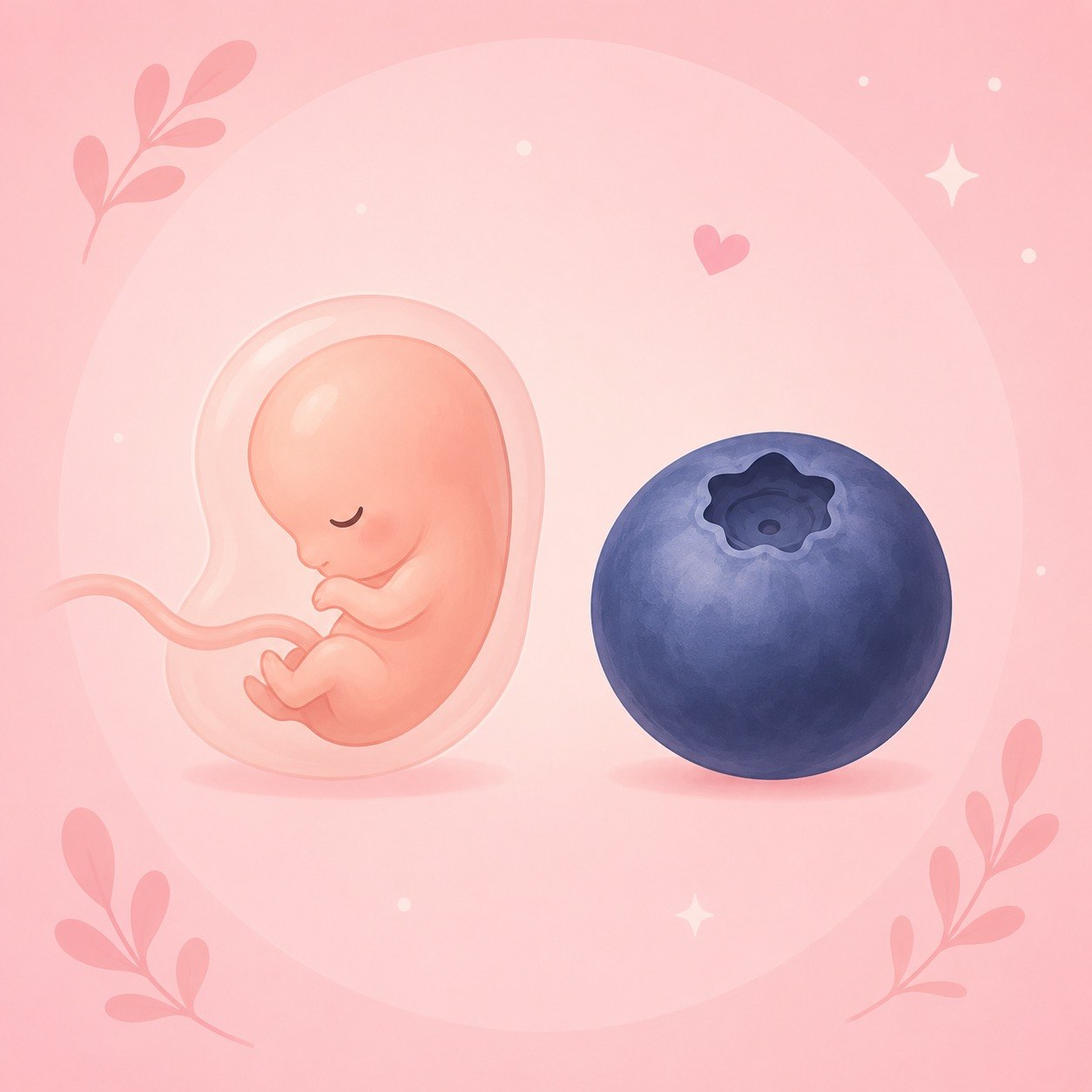
Pregnancy week 9 is a turning point: your baby is about 23 millimetres long, the size of an olive, and their face is starting to look properly human. It’s also the week you move into the third month — those days when hormones are still doing their thing and you’ll probably notice heavy, tender breasts and that familiar early-pregnancy tiredness. I know the first trimester feels endless, but every week is worth it. Let me tell you everything that’s going on.
If you’re coming from pregnancy week 8, this week is the continuation of everything I told you there. And for the full journey, see our pregnancy week by week guide.
What is pregnancy week 9?
Pregnancy weeks are counted from the first day of your last period (LMP), not from conception. That means in week 9 you are about 7 weeks from fertilisation, and you’re starting your third month (weeks 9–13), still within the first trimester.
It’s a week of big changes: the organs are up and running, your baby’s head is still large compared with the body, and facial features are becoming more defined. It’s also the run-up to the stage where your little one starts being called a fetus, which usually happens around week 10.
What can you see on the week 9 scan?
If you have an ultrasound in week 9, you can already see:
- An embryo of about 2.3 centimetres, with a well-defined head, trunk and limbs.
- A strong, steady heartbeat (around 150–170 beats per minute).
- Arms and legs moving in little gestures, because the joints can already bend.
- A well-formed gestational sac, with the embryo clearly visible inside.
If your period is barely late and you haven’t taken a pregnancy test yet, hCG levels are close to their peak this week and any test is very reliable. You can take our free online pregnancy test to reflect on your symptoms, and if you fancy a distraction, try our finger pregnancy test game: it’s just a game, not a real test.
What symptoms are normal in week 9?
If you’ve been dealing with first-trimester discomfort for weeks, this week is very similar. It’s normal to notice:
- Nausea, with or without vomiting: this is often one of the most intense weeks (the peak usually falls between weeks 8 and 10). Eating little and often helps.
- Tiredness and sleepiness: progesterone is still high. Give yourself permission to rest.
- Heavy, tender, growing breasts: still one of the most common complaints.
- Frequent urge to urinate: your uterus is pressing on your bladder.
- Constipation and bloating: hormones slow down your digestion. Drink water and eat fibre.
- Aversion to smells and cravings: your senses are on high alert.
- Some light spotting or more discharge: if it’s scant and without strong pain, it’s usually normal, but get checked if you’re worried. More on how discharge looks in pregnancy.
Hardly any symptoms? That’s also completely normal: every pregnancy is unique, and feeling little doesn’t mean something is wrong.
How big is the baby in week 9?

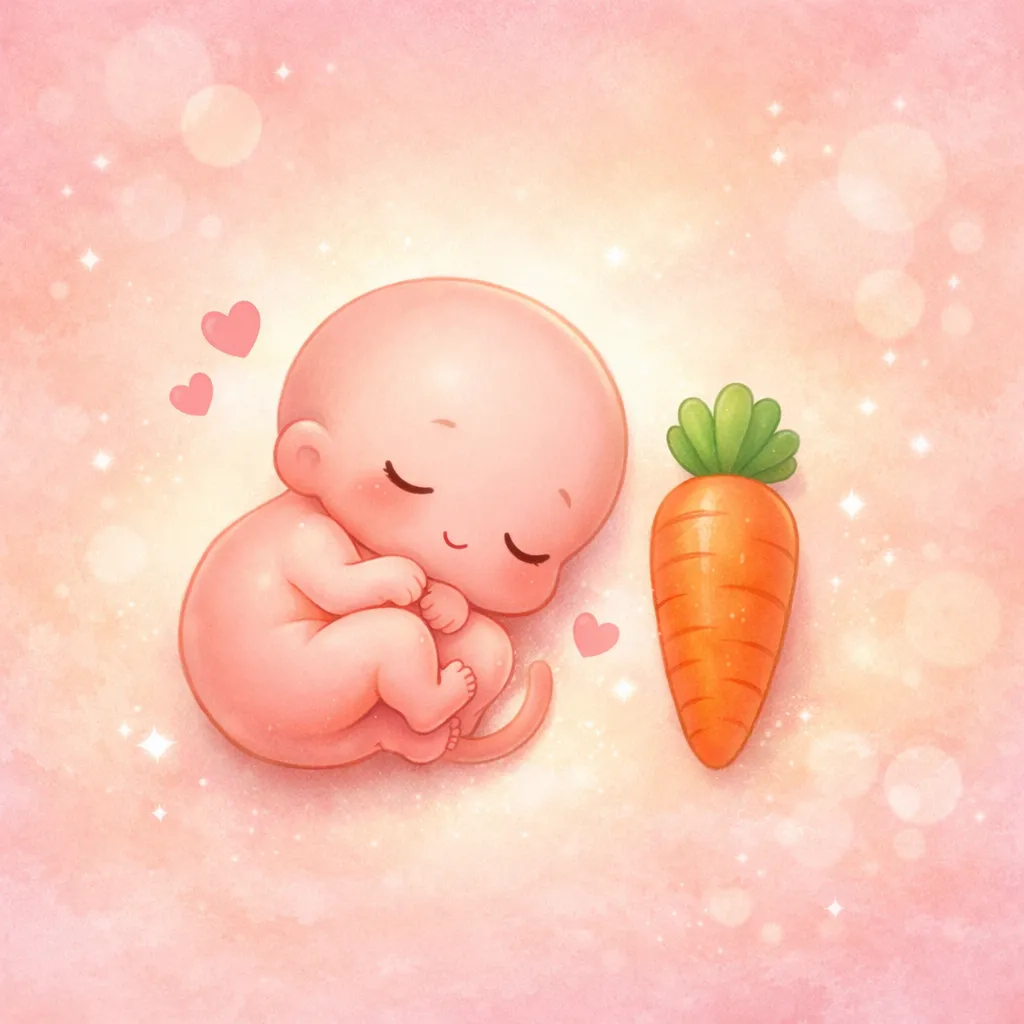
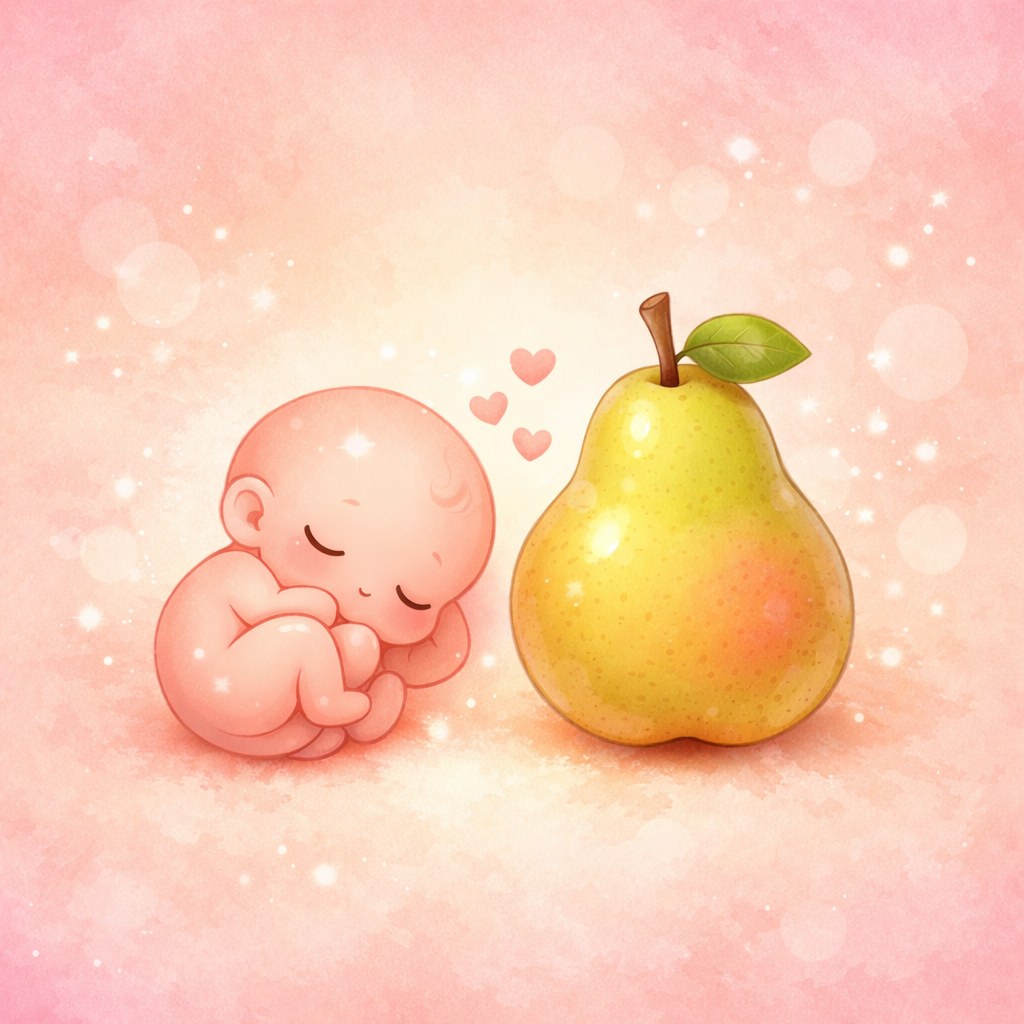
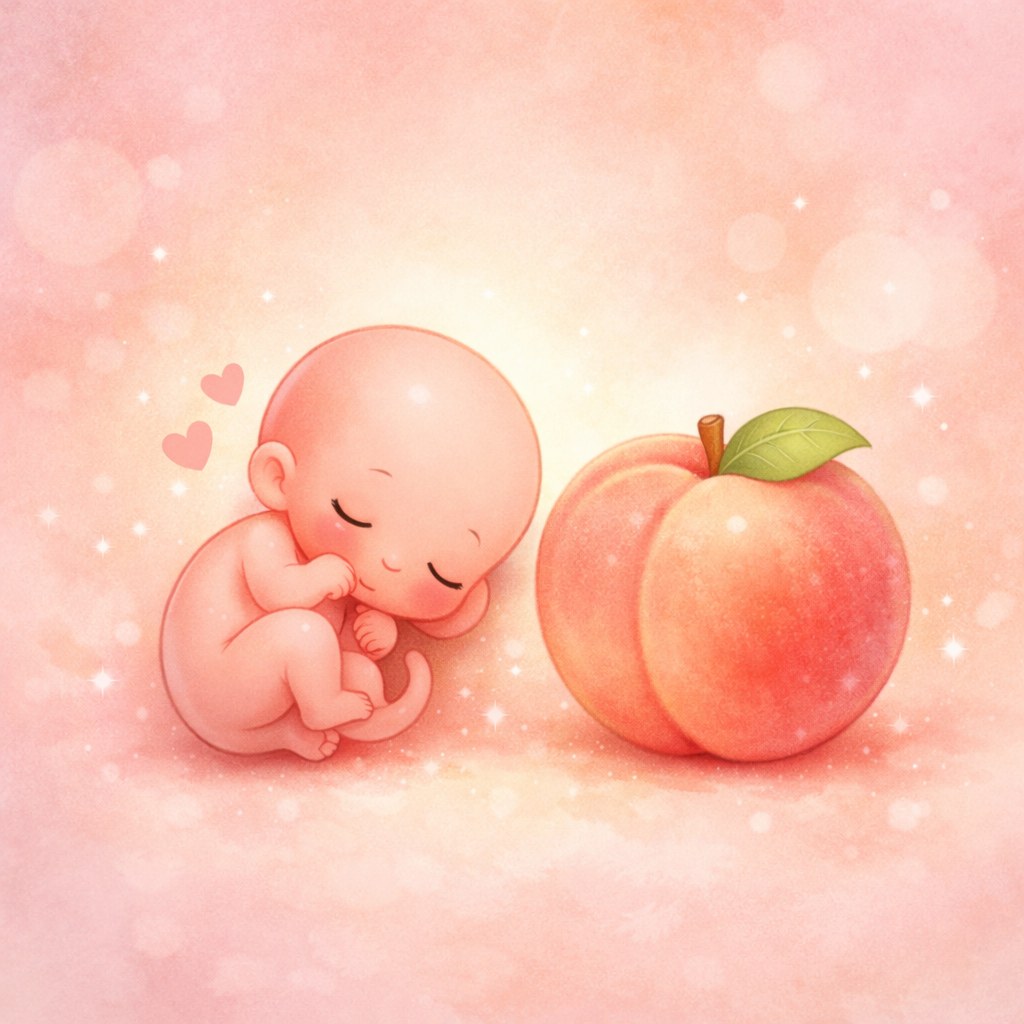
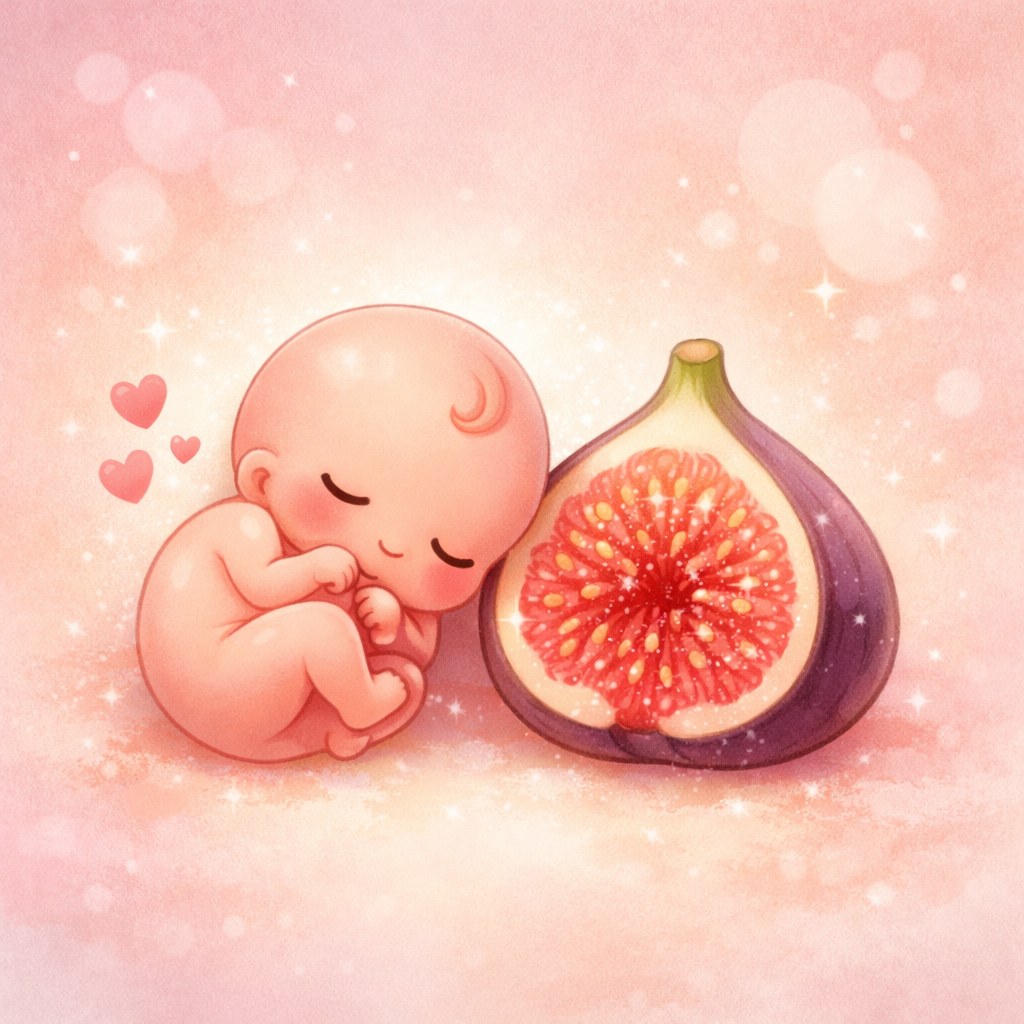
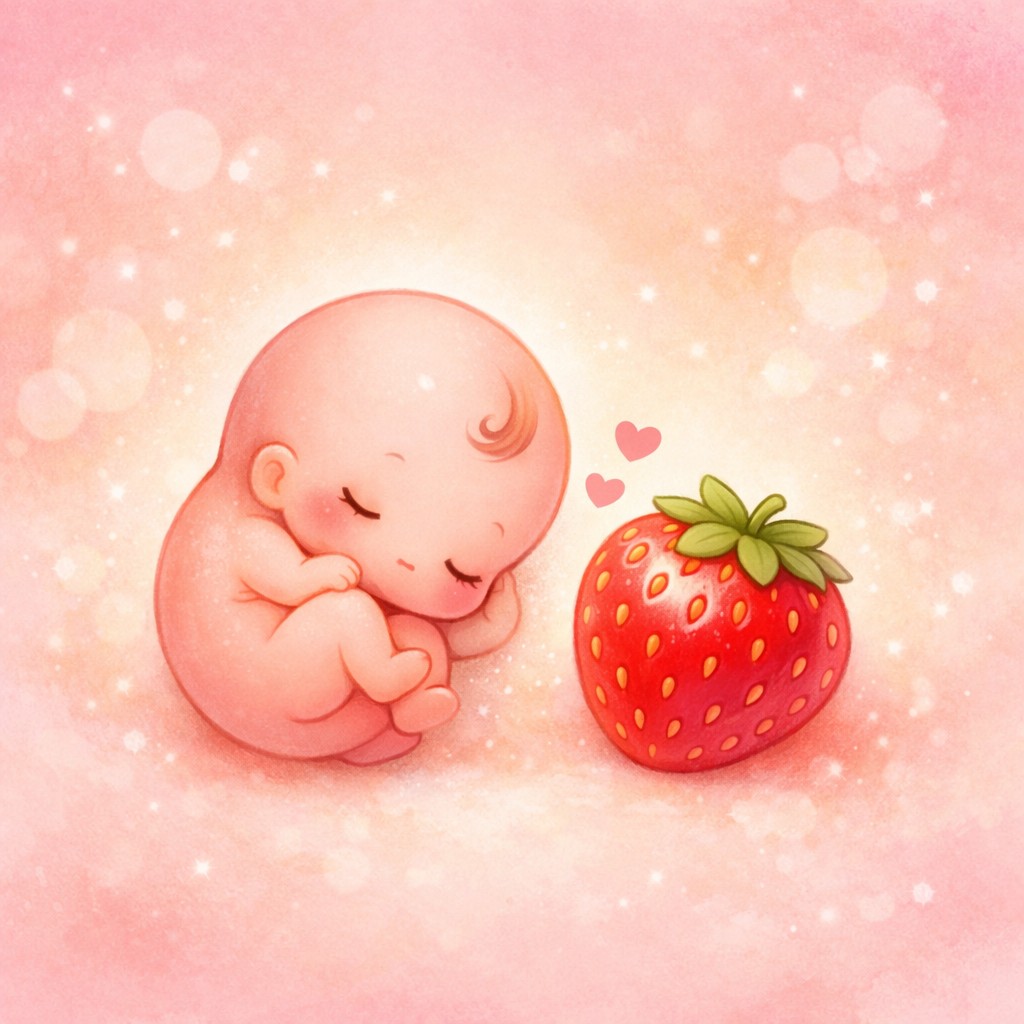
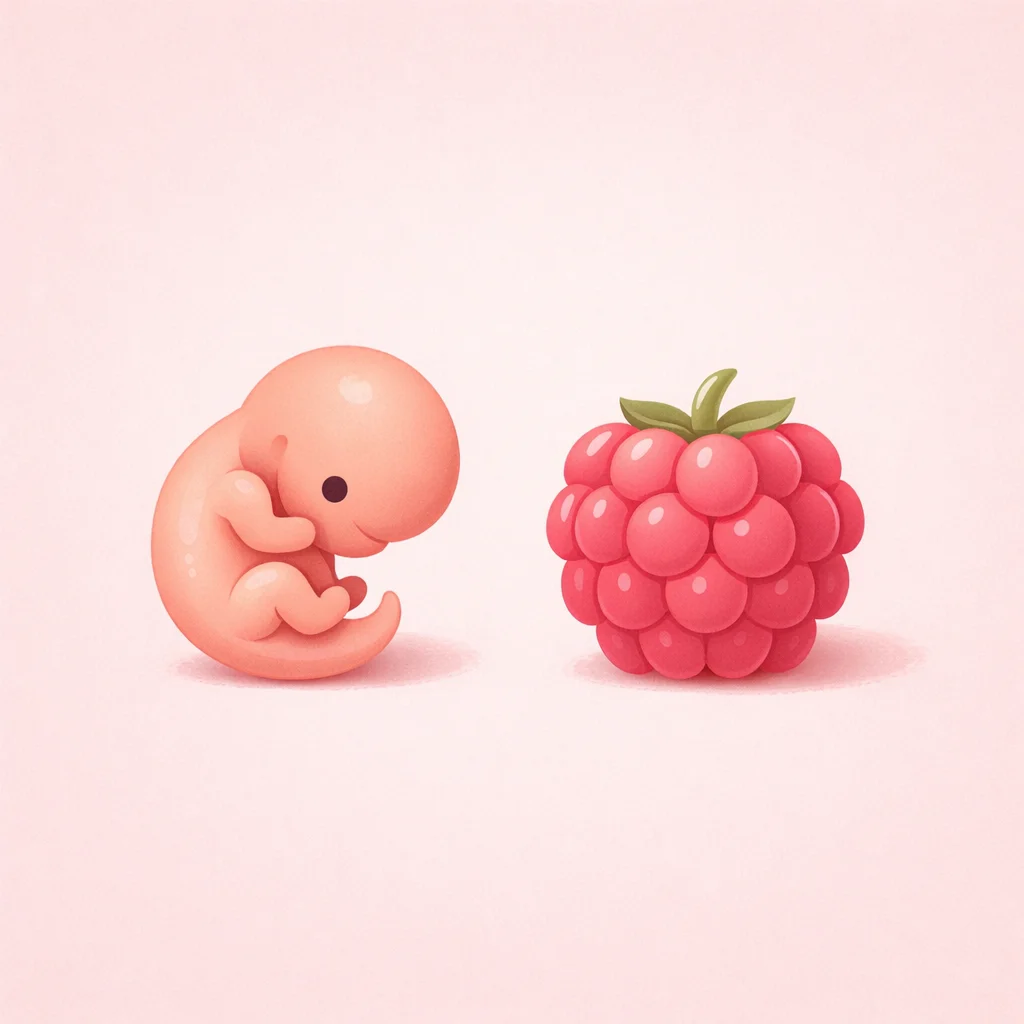
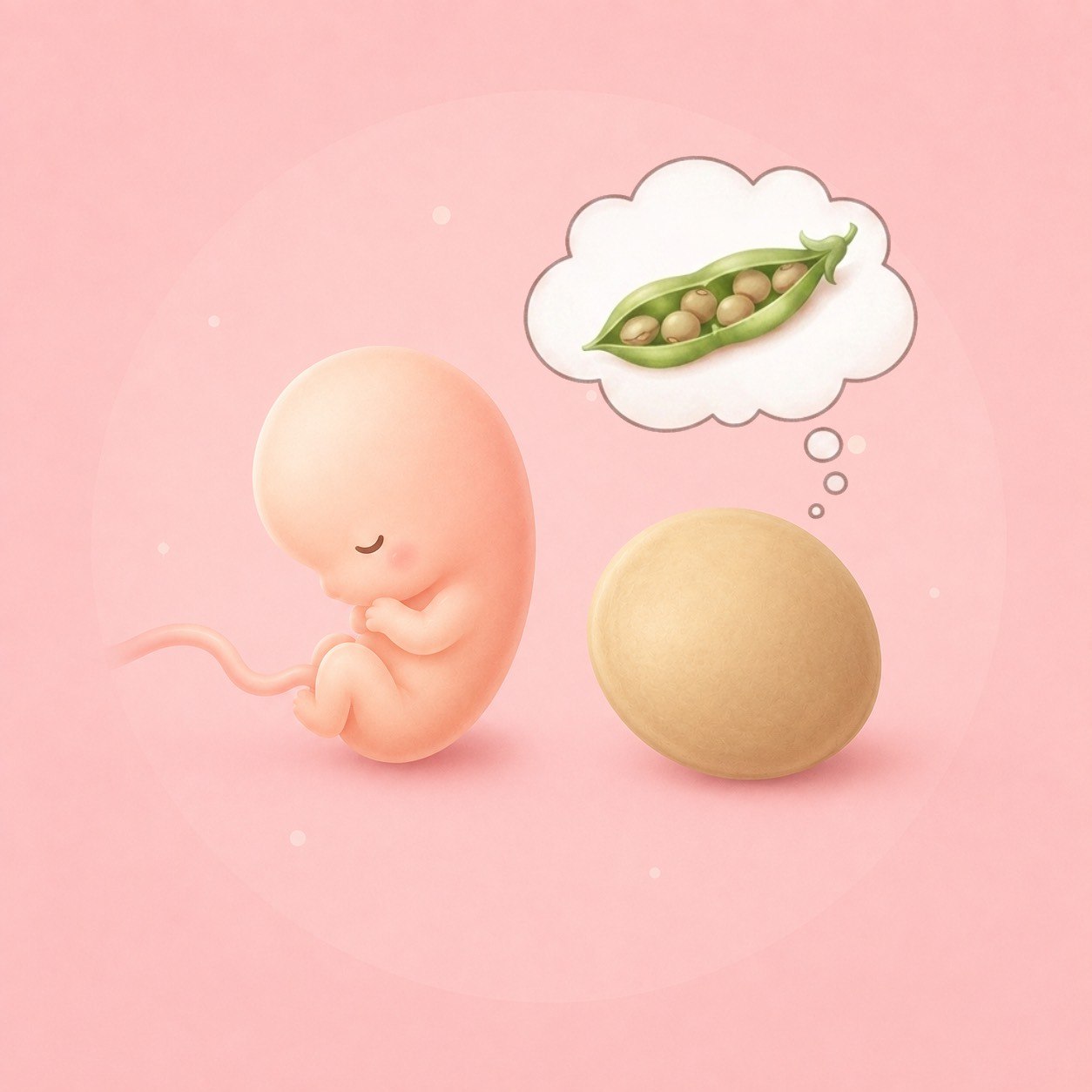
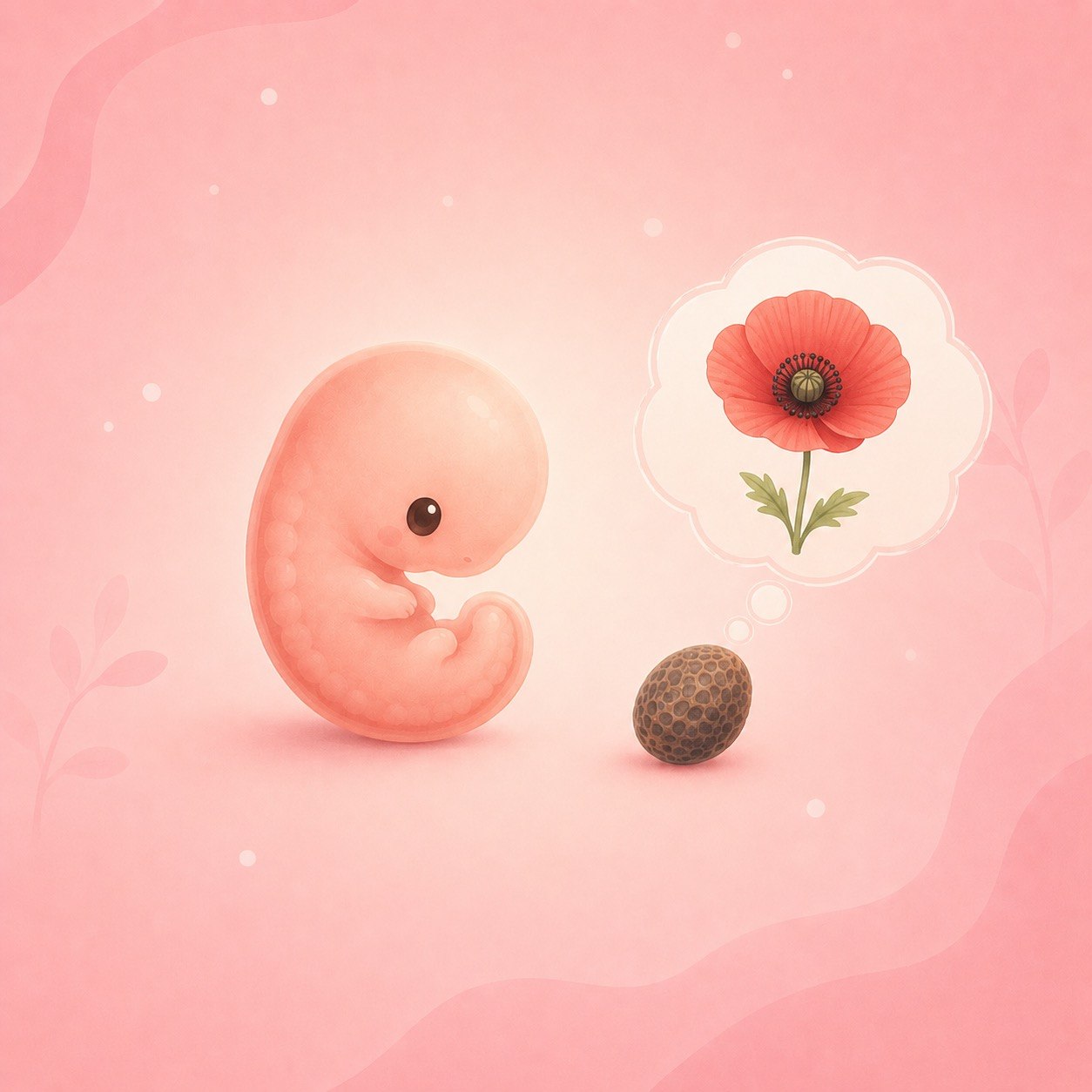
The baby in week 9 measures about 23 millimetres (2.3 centimetres): the size of an olive. They weigh barely 2 grams, but so much is already happening:
- The fingers and toes are now separated and properly shaped.
- The eyelids are forming (still fused shut), and the baby-tooth buds appear.
- The heart is complete, with all four chambers, beating at around 150–170 beats per minute.
- The elbows can bend, and your baby can open and close their mouth or clench a fist.
- The liver starts making blood cells.
- The embryonic tail disappears, and the head is no longer so dominant over the rest of the body.
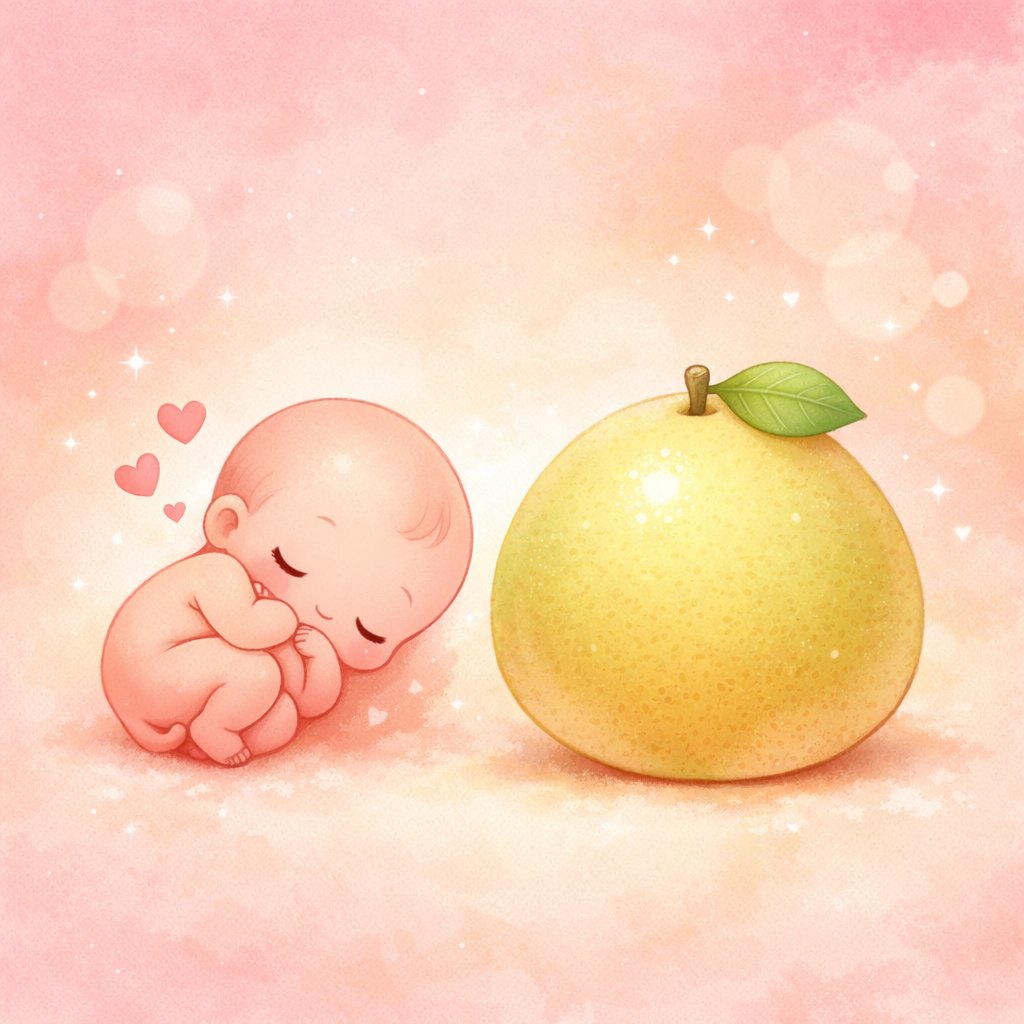
Your uterus, meanwhile, is already the size of a grapefruit, and you may feel more pressure low in your belly, even if your bump barely shows from the outside: what you notice most is bloating.
Tips for week 9
- Book your first prenatal appointment: between weeks 8 and 12, the first follow-up visit with initial blood tests and the first ultrasound is usually scheduled. It’s the perfect time to ask all your questions.
- Keep taking folic acid: still essential for nervous system development. I explain everything in folic acid in pregnancy.
- Watch out for constipation: drink plenty of water, eat fibre and keep moving gently.
- Eat little and often to ease nausea and avoid raw foods, alcohol and smoking.
- Don’t self-medicate: always ask your doctor before taking anything, even for heartburn or headaches.
- Work out your due date with the gestogram and track your week with how many weeks pregnant am I.
If you have intense one-sided pain, heavy bleeding or a fever, contact your doctor promptly.
FAQ
What month am I in during week 9? You’re starting your third month: weeks 9–13 make up month 3. Counting starts on the first day of your last period, not the day of conception.
How big is the baby in week 9? About 23 millimetres (2.3 centimetres), the size of an olive. The fingers, the bent elbows and an increasingly human face are already visible.
Is my bump already showing in week 9? Not much from the outside: your uterus is the size of a grapefruit, but what you mostly feel is bloating and pressure. Don’t worry if nothing shows yet.
Is stronger nausea still normal in week 9? Yes, it’s one of the peak weeks because of high hCG and progesterone. It usually starts to ease after week 12. Small meals and avoiding strong smells will help.
When does the embryo become a fetus? Around week 10 (the start of the third month) your little one begins to be called a fetus. It’s just a change of name: development is continuous.
Can I exercise in week 9? If yours is a low-risk pregnancy, walking, gentle swimming or prenatal yoga is usually fine. Avoid high-impact or contact sports and always check with your doctor.
Sources
- MedlinePlus — Fetal development
- WHO — Antenatal care
- NHS — Pregnancy week by week
- ACOG — How your fetus grows during pregnancy
- NHS — Tiredness in pregnancy
- NHS — Vomiting and morning sickness
- NHS — Swollen ankles, feet and fingers
Remember this article is for information only. If you have questions about your health or think you may be pregnant, talk to your doctor. They can advise on the right tests and support you through this special time ❤️.