Pregnancy week 20: symptoms, baby size and tips
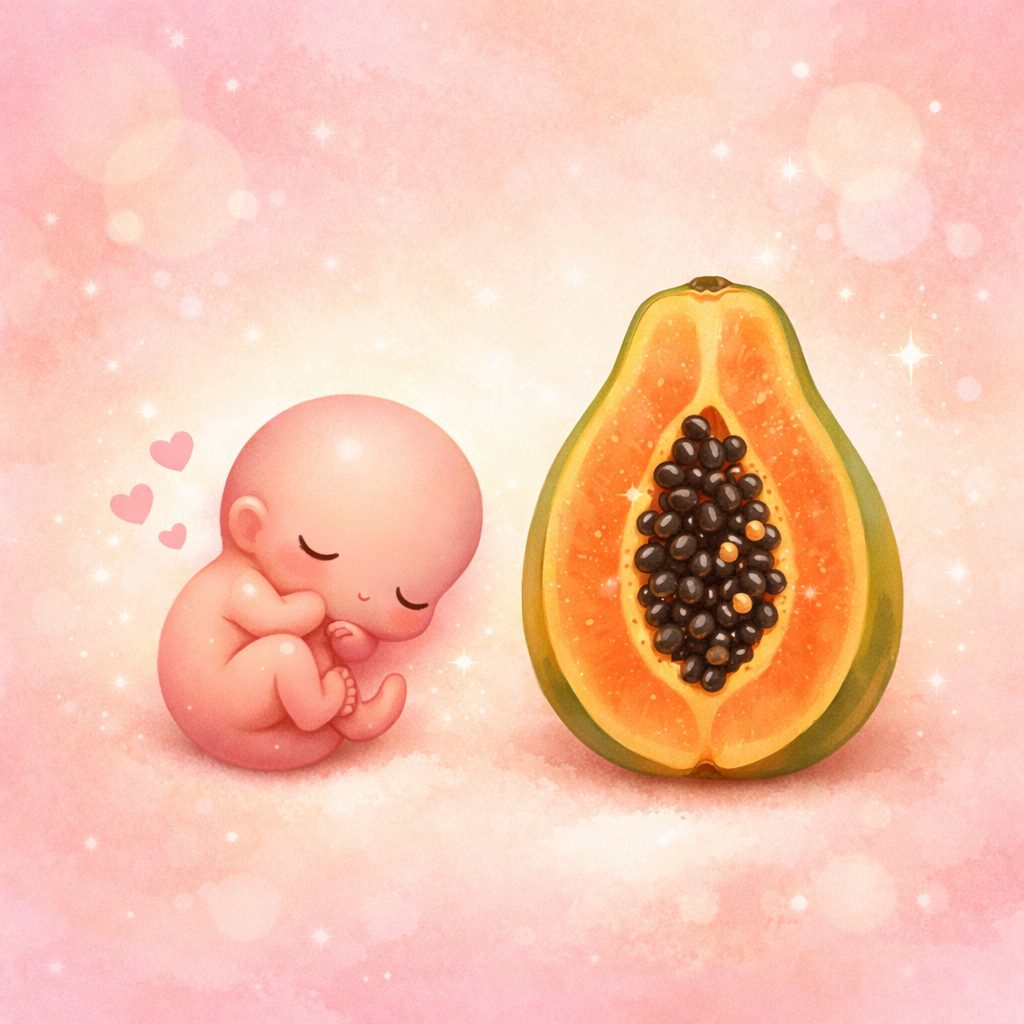
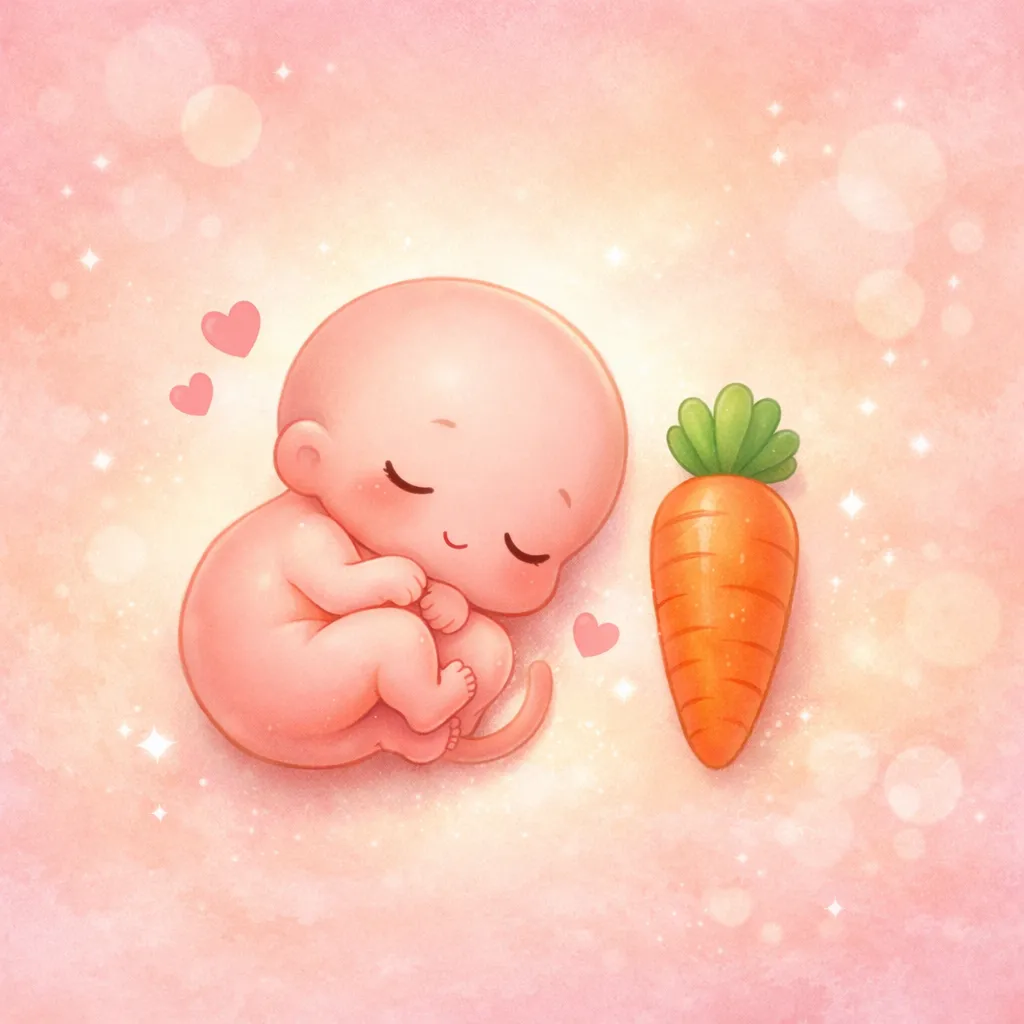
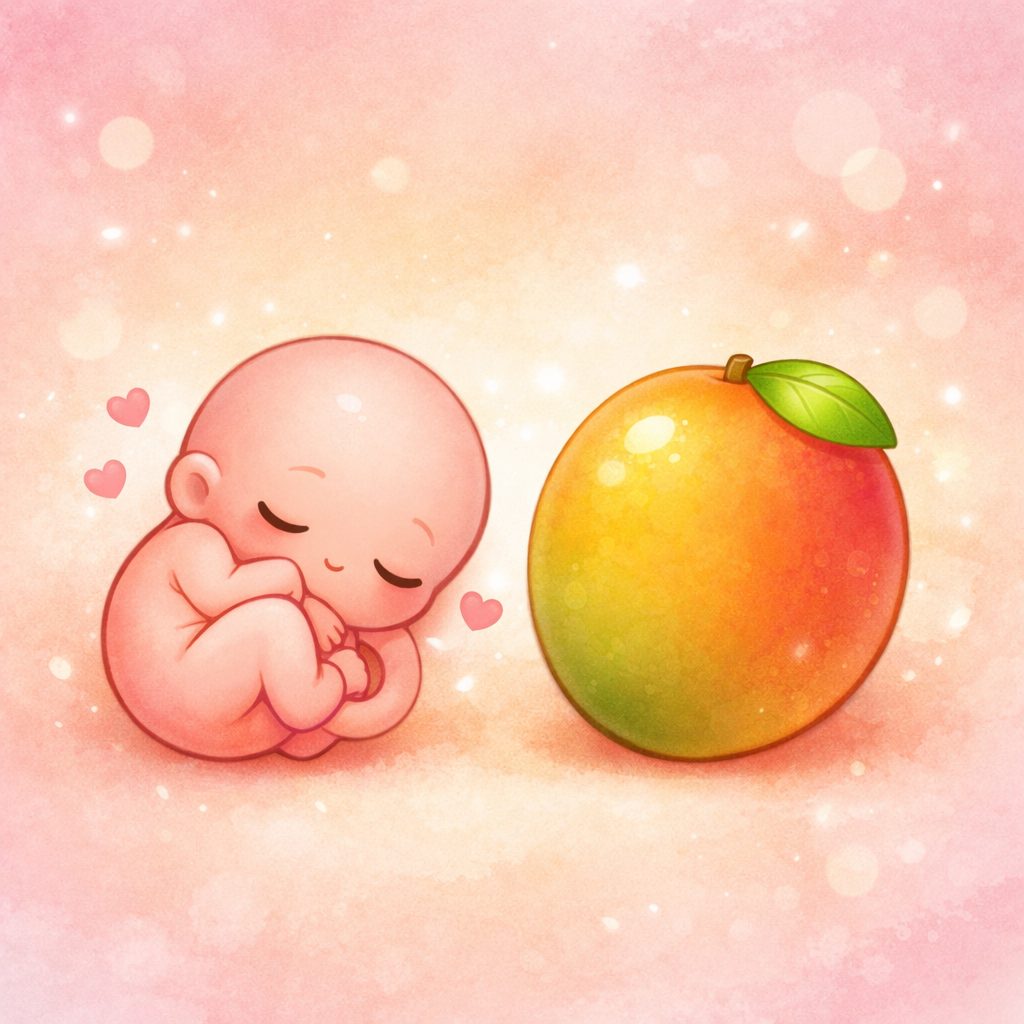
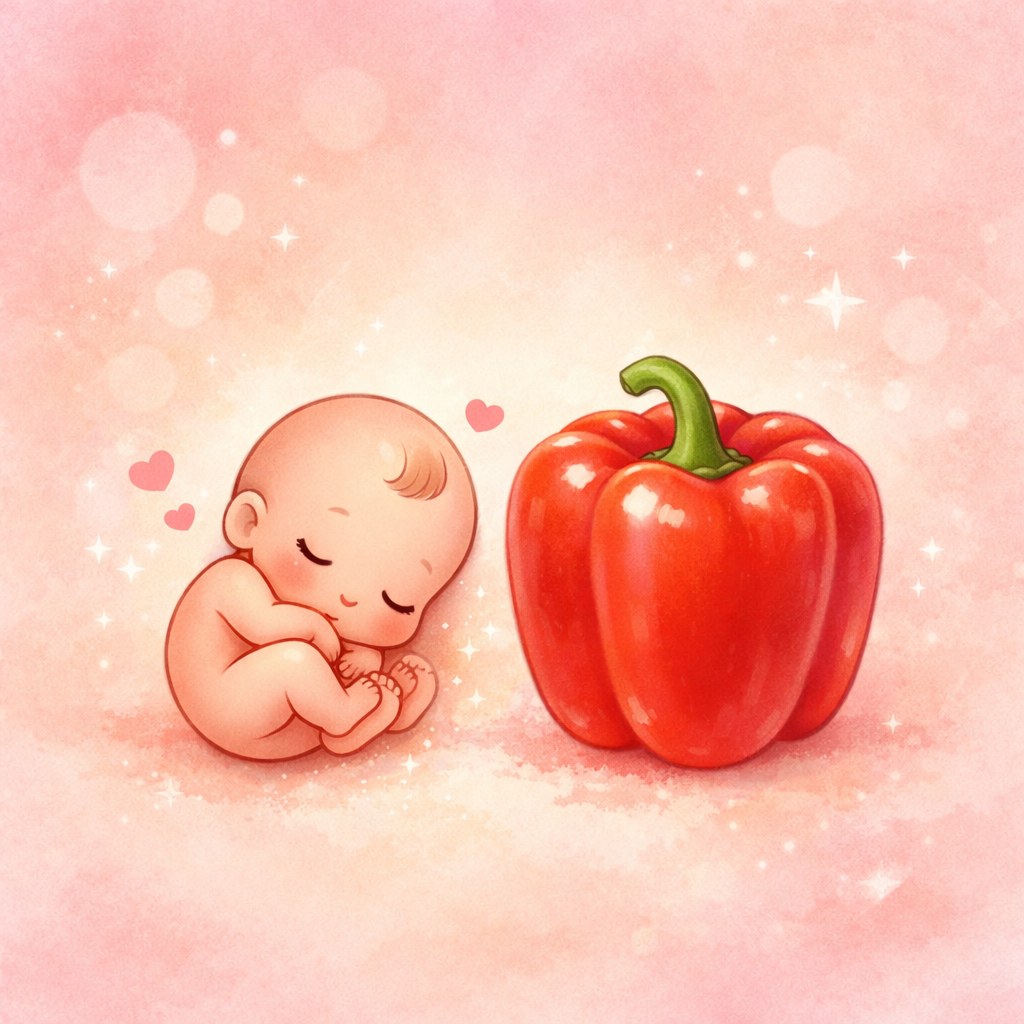
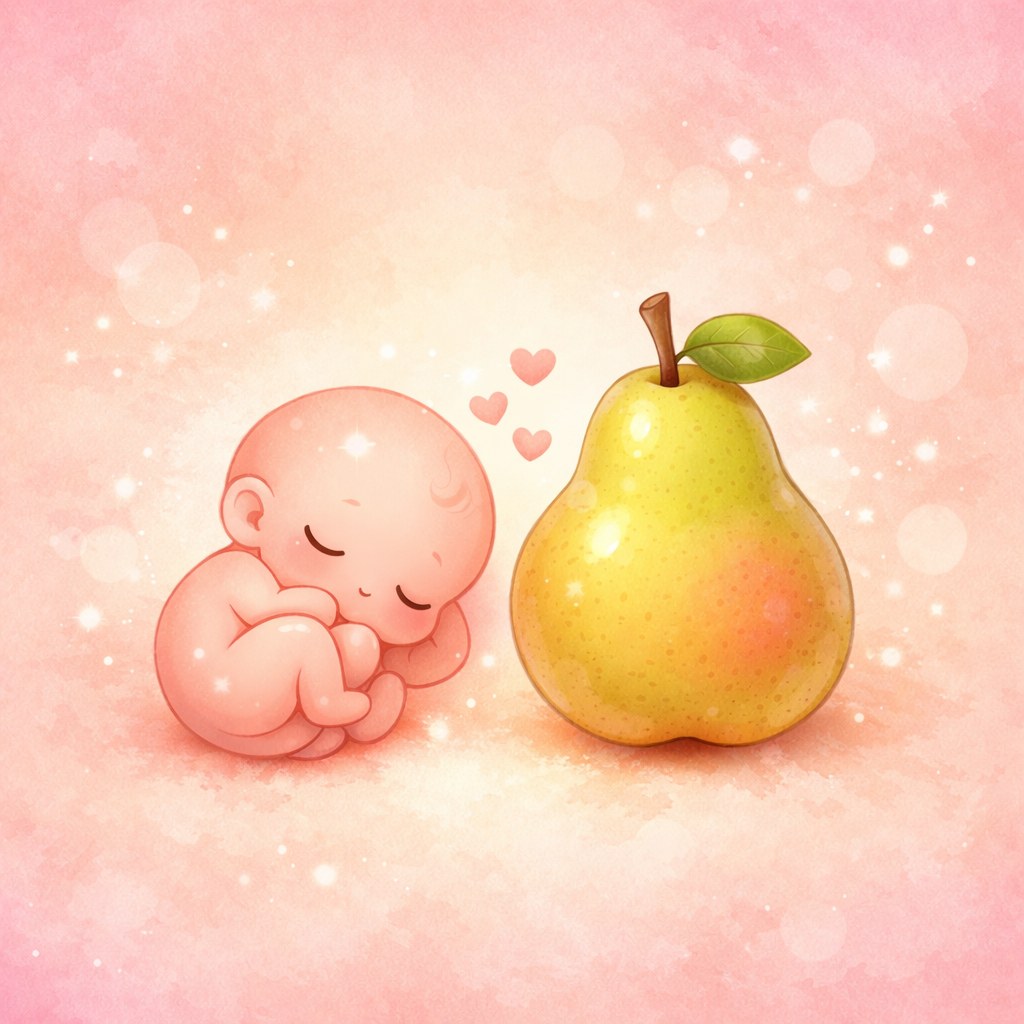
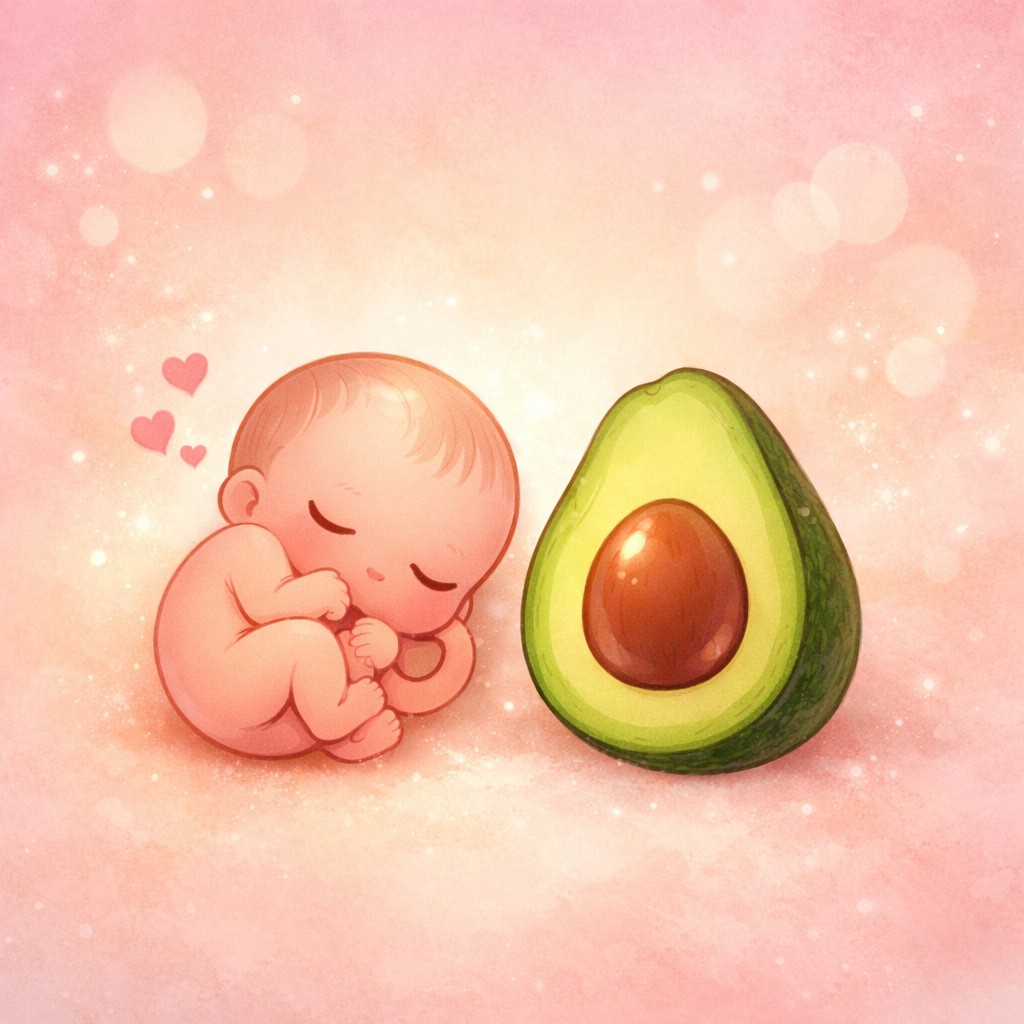
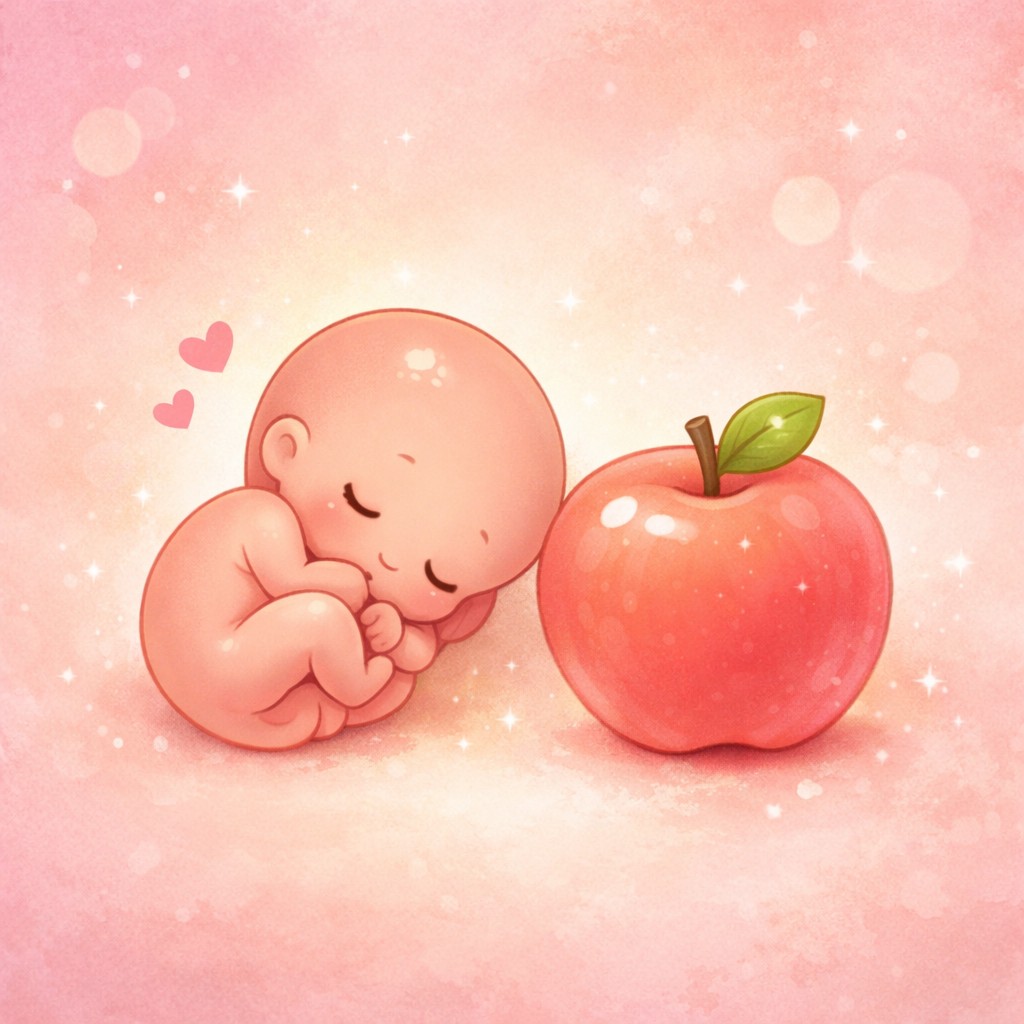
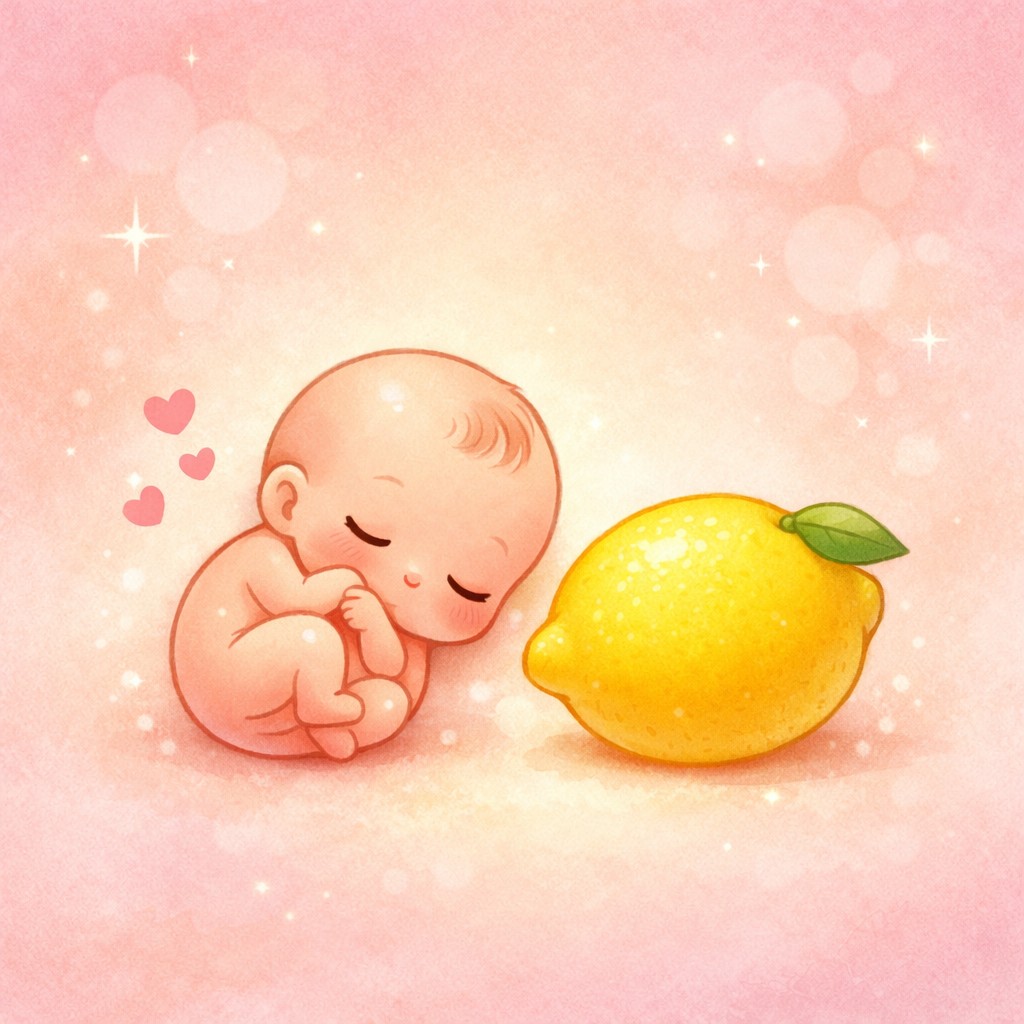
Congratulations, you’ve just crossed the halfway point of your pregnancy! Week 20 is a beautiful milestone: your baby is now the size of a banana, measures around 25 centimetres and you can feel their movements more clearly every day. It’s also usually the time for one of the most exciting scans: the anatomy scan. Let me walk you through it, as always ❤️.
If you’re coming from pregnancy week 19, you’re doing great. And if you want the full journey at hand, check out our pregnancy week by week guide.
What is pregnancy week 20?
As always, pregnancy weeks are counted from the first day of your last period (LMP), not from conception. In week 20 you’re about 18 weeks past fertilisation, you’re in the fifth month of pregnancy (weeks 18 to 21) and you’re still in the middle of the second trimester, which runs from week 13 to 28.
This week marks something very special: you’ve reached exactly halfway through your pregnancy. From here on there’s only one half left, and for many women this is one of the most enjoyable stages: the bump is clearly visible, you feel energised and you start “talking” to your baby through their movements.
How is your baby developing in week 20?
Your baby is getting more and more active and keeps growing at a fast pace:
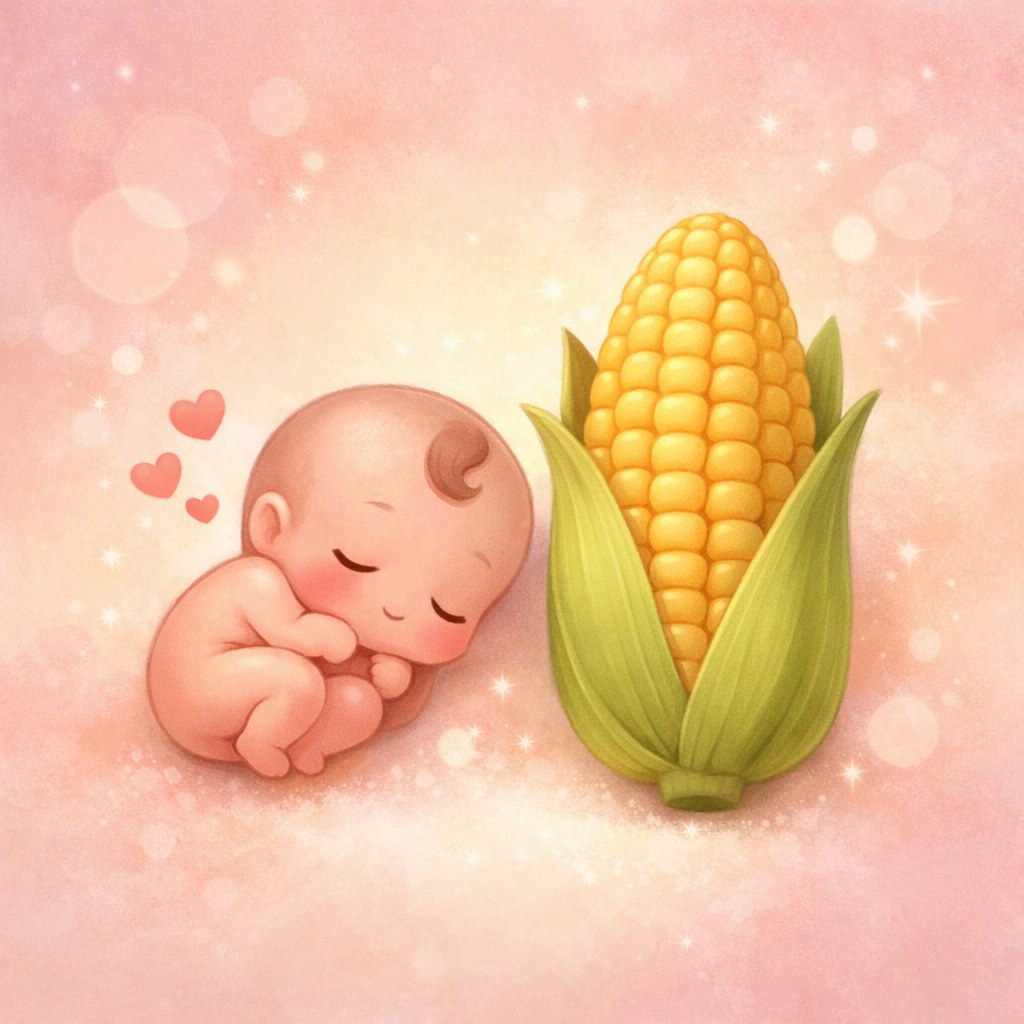
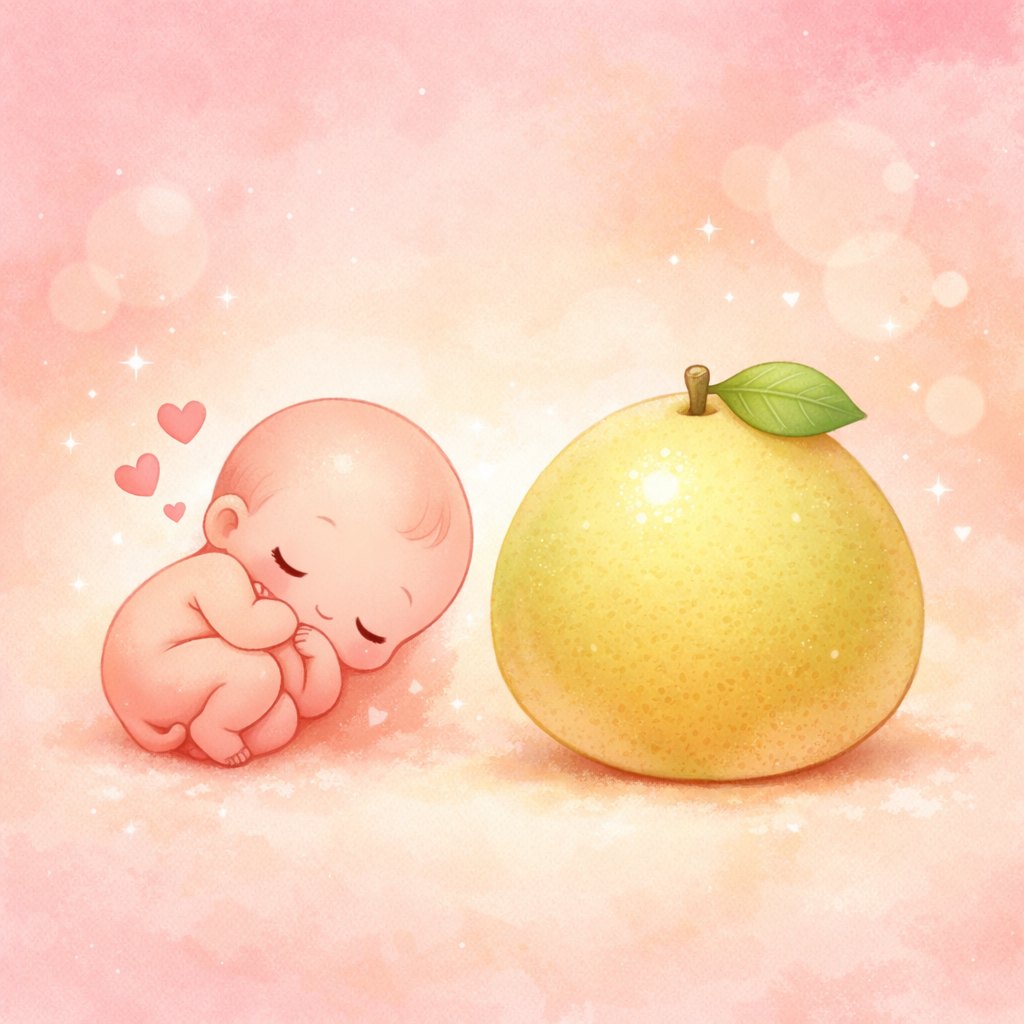
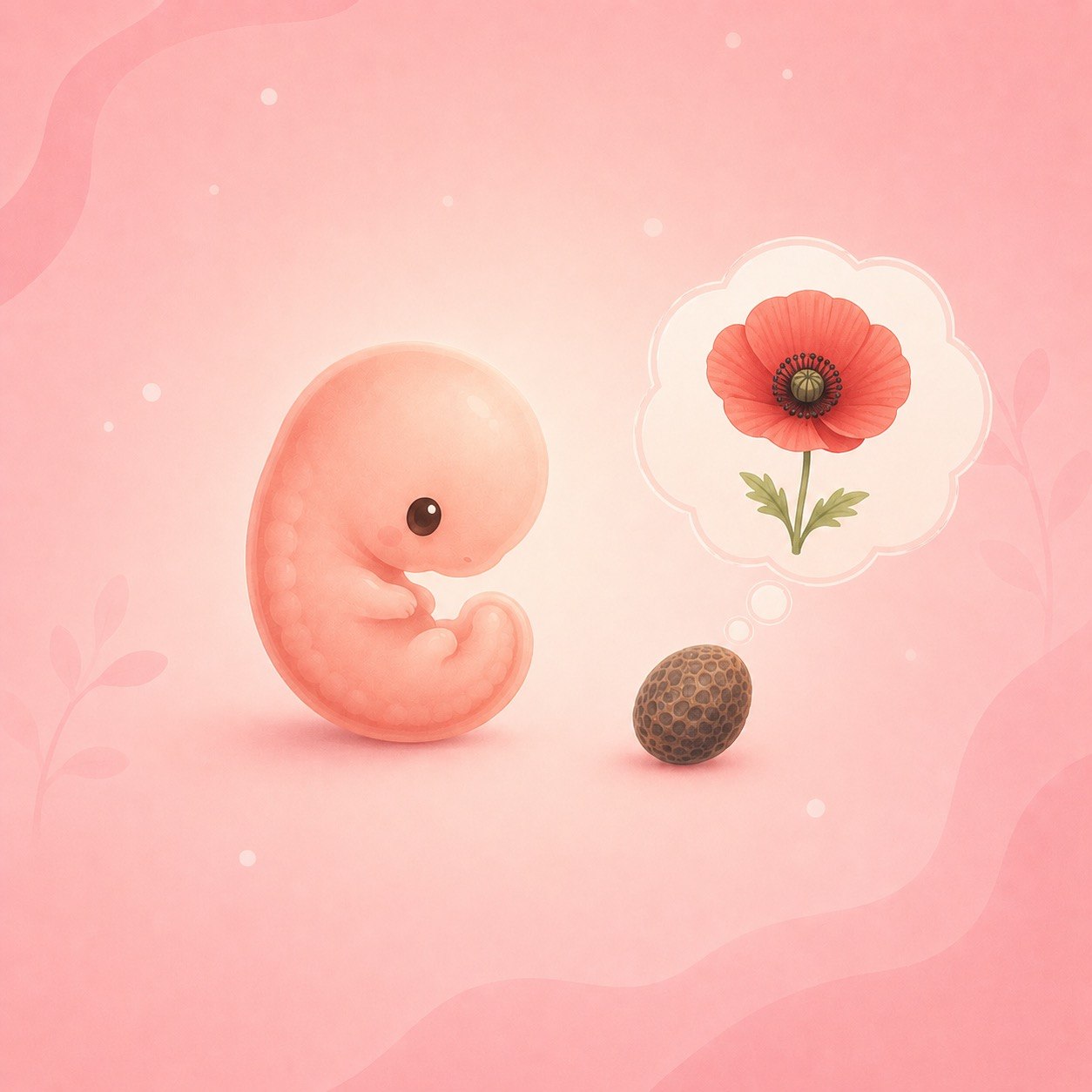
- They’re bigger and heavier: now about 25 centimetres from head to toe and weighing around 300 grams — roughly a large banana.
- Meconium is forming: that dark, sticky first poop is building up in their intestines, ready to be passed after birth.
- They swallow amniotic fluid: a great practice run for their digestive system.
- Hair is growing on their head: the scalp hair starts to develop, even though for now it’s fine and light.
- They move a lot: stretching, somersaulting, kicking and waving arms and legs. You’ll notice it more and more.
- Their senses keep maturing: they hear your voice and heartbeat, and their skin stays protected by the vernix caseosa and lanugo.
- In girls, the uterus forms: and in boys, the testicles begin their descent. Everything is on track.
If you haven’t yet, remember your hCG level is still high and any test is very reliable. You can take our free online pregnancy test to get a sense of your symptoms, and if you fancy a bit of fun, try our fingerprint pregnancy test game: it’s just for fun, not a real test.
What symptoms are normal in week 20?
In week 20 most women feel especially well, but there are a few typical symptoms at this stage:
- Movements you feel more and more: kicks, flutters and rolls that grow stronger each week. They’re often easiest to notice when you’re resting.
- Cramps or pulling in your lower belly: your round ligament and muscles stretching as the uterus grows.
- Back and pelvic pain: the growing bump shifts your centre of gravity. Good posture and gentle stretching help.
- Leg cramps: especially at night. Gentle stretching and staying hydrated usually ease them.
- Heartburn and constipation: your uterus presses on your abdomen and hormones relax your digestion.
- Slightly bleeding gums: common because of hormonal changes, but good dental hygiene stays important.
- Pregnancy rhinitis: mild nasal congestion from increased blood flow. It’s normal and often lasts through pregnancy.
Notice almost nothing? That’s also completely normal. Every woman lives every week differently.
How big is the baby in week 20?
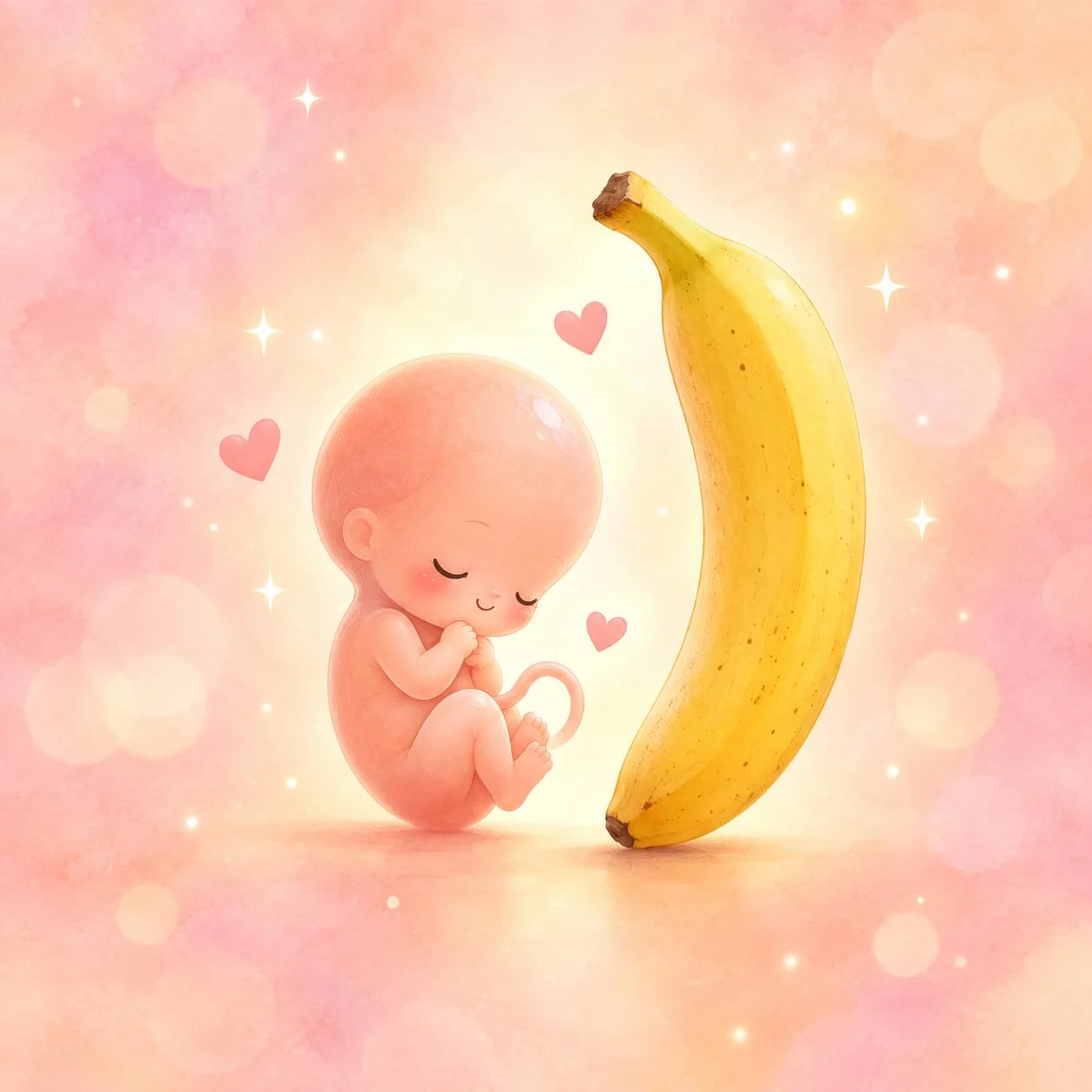
The baby in week 20 measures about 25 centimetres (head to toe) and weighs around 300 grams — roughly the size of a large banana. It’s a key moment, because there’s still plenty of room for them to move freely:
- Somersaults and kicks: with all that space, they move freely and you feel them more and more.
- Their skin is ready: covered in vernix caseosa and lanugo to stay protected in the amniotic fluid.
- Meconium forms: their first poop collects in the intestines until birth.
- They hear and feel: they perceive your voice, your heartbeat and even outside sounds.
- Development depends on sex: in girls the uterus forms, in boys the testicles begin their descent.
This is also the ideal week for the anatomy scan (usually between weeks 18 and 23): it’s the detailed check of all your baby’s organs and, if you want to know, it’s often possible to see the sex. A very special moment.
Tips for week 20
- Don’t compare movements with other mums: feeling more or fewer kicks is normal. What matters is that, overall, you notice your baby moving regularly.
- Enjoy the anatomy scan: ask the doctor anything you want and, if you like, bring someone along. It’s a key second-trimester check.
- Watch your posture: with your bump growing, sit and stand tall, and avoid heavy lifting.
- Sleep on your side, preferably the left: it improves circulation to your uterus and eases heartburn. Put a pillow between your legs.
- Stay hydrated and get enough fibre: water, fruit and vegetables help with constipation and cramps.
- Keep up your folic acid and a good diet: avoid alcohol, tobacco and raw foods. Always ask your doctor if you have any doubts.
- Don’t self-medicate: always ask your doctor before taking anything, even creams or natural remedies.
- Work out your estimated due date with the pregnancy calculator and check which week you’re in with the how many weeks pregnant am I calculator.
FAQ
What month of pregnancy is week 20?
You’re in your fifth month of pregnancy (weeks 18 to 21), inside the second trimester, and you’ve just crossed the halfway point. You’re about 18 weeks past fertilisation.
How big is the baby in week 20?
About 25 centimetres from head to toe and around 300 grams — roughly the size of a large banana. There’s still plenty of room inside the uterus to move freely.
Why is it hard to see things on the anatomy scan?
Because your baby moves a lot and sometimes gets into awkward positions. It’s normal for the professional to ask for patience or wait for the baby to shift so every organ can be seen clearly.
Why do I feel more kicks when I’m resting?
Because when you’re still and calm, you focus better on internal sensations. Also, your own movement “rocks” the baby, so they tend to calm down when you move.
Is heartburn normal in week 20?
Yes. Your uterus presses on your stomach and hormones relax the valve of your oesophagus, which encourages heartburn. Try smaller, more frequent meals and avoid lying down right after eating.
What is meconium?
It’s your baby’s first poop, dark and sticky, which builds up in their intestines during pregnancy and is usually passed in the first hours after birth.
Sources
- MedlinePlus — Fetal development
- WHO — Antenatal care
- NHS — Pregnancy week by week
- ACOG — How your fetus grows during pregnancy
- NHS — Back pain in pregnancy
- NHS — Pelvic pain in pregnancy
- NHS — Your baby’s movements
Remember this article is for information only. If you have any doubts about your health or feel that something might be out of the ordinary, talk to your doctor. They can guide you through the right checks and support you in this very special moment ❤️.