Pregnancy week 26: baby weight, eyes opening and symptoms
Two weeks. That’s all that separates you from the third trimester, and you can feel it in the way your bump has stopped being something you carry and started being something you haul. At 26 weeks pregnant your baby weighs around 760 g, has just opened their eyes for the first time, and is still flipping position like the space is infinite ❤️.
If you’re coming from week 25, you already crossed the viability line — this week is about growth, lungs and a growing list of small annoyances. The full run of weeks lives in our pregnancy week by week guide.
Two weeks until the third trimester
Quick answer: at 26 weeks you’re in the second trimester, and it flips to the third at 28 weeks. In months, that’s six months — the sixth month runs from week 22 to week 26, so you’re closing it out right now.
| Weeks | Month | Trimester |
|---|---|---|
| 22-26 | Sixth month | Second |
| 27-31 | Seventh month | Third |
| 32-35 | Eighth month | Third |
| 36-40 | Ninth month | Third |
Here’s the bit that trips everyone up: a pregnancy month is four and a half weeks, not four. That’s why 26 weeks is not “six and a half months” — it’s six months and a couple of days, or about 24 weeks since conception. If counting is not your idea of fun, the due date calculator does it for you, and you can check how far along you are in our weeks calculator.
What actually changes at 28 weeks? Not the baby’s birthday, that’s for sure. What changes is how you’re monitored: from the third trimester onwards appointments tend to get closer together, your bump is measured at every visit, and if anything is going to need watching — growth, blood pressure, glucose — it usually shows up around now.
26 weeks pregnant: baby weight in kg and length
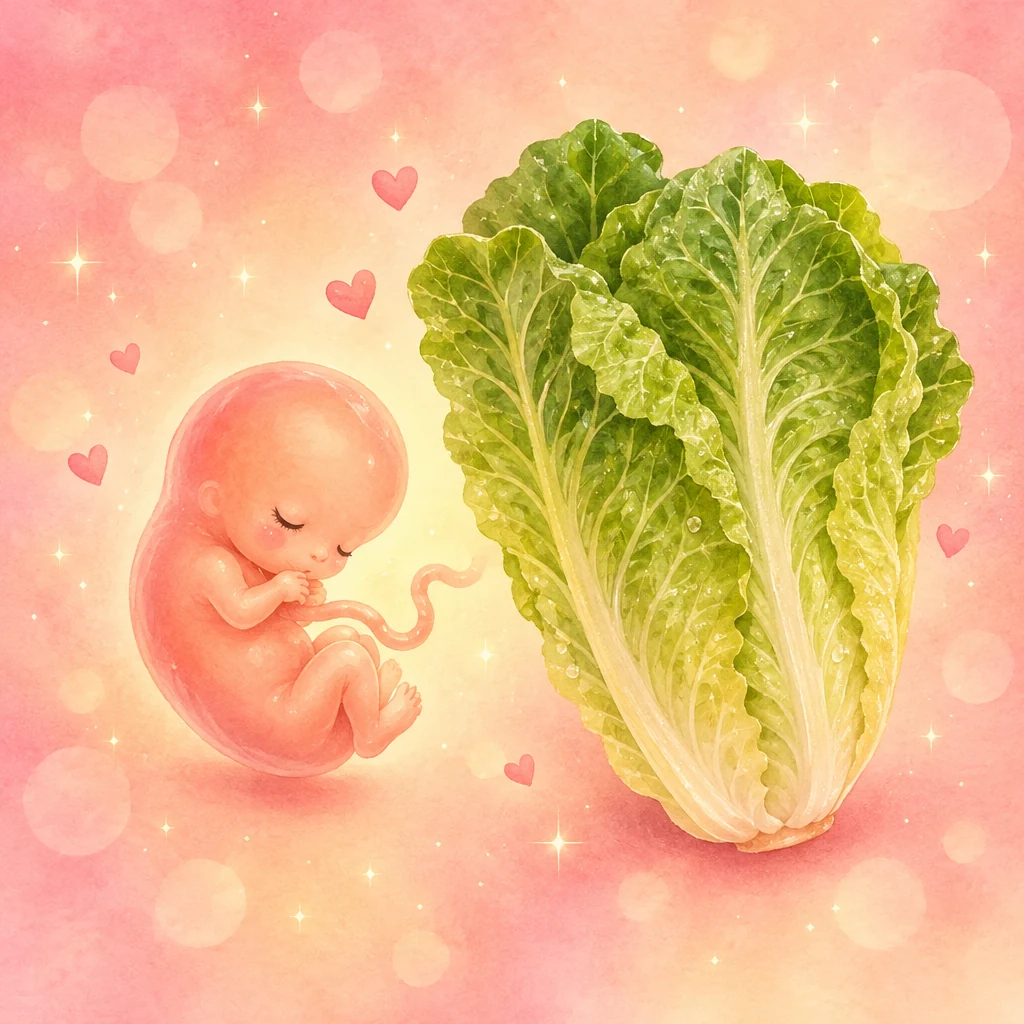
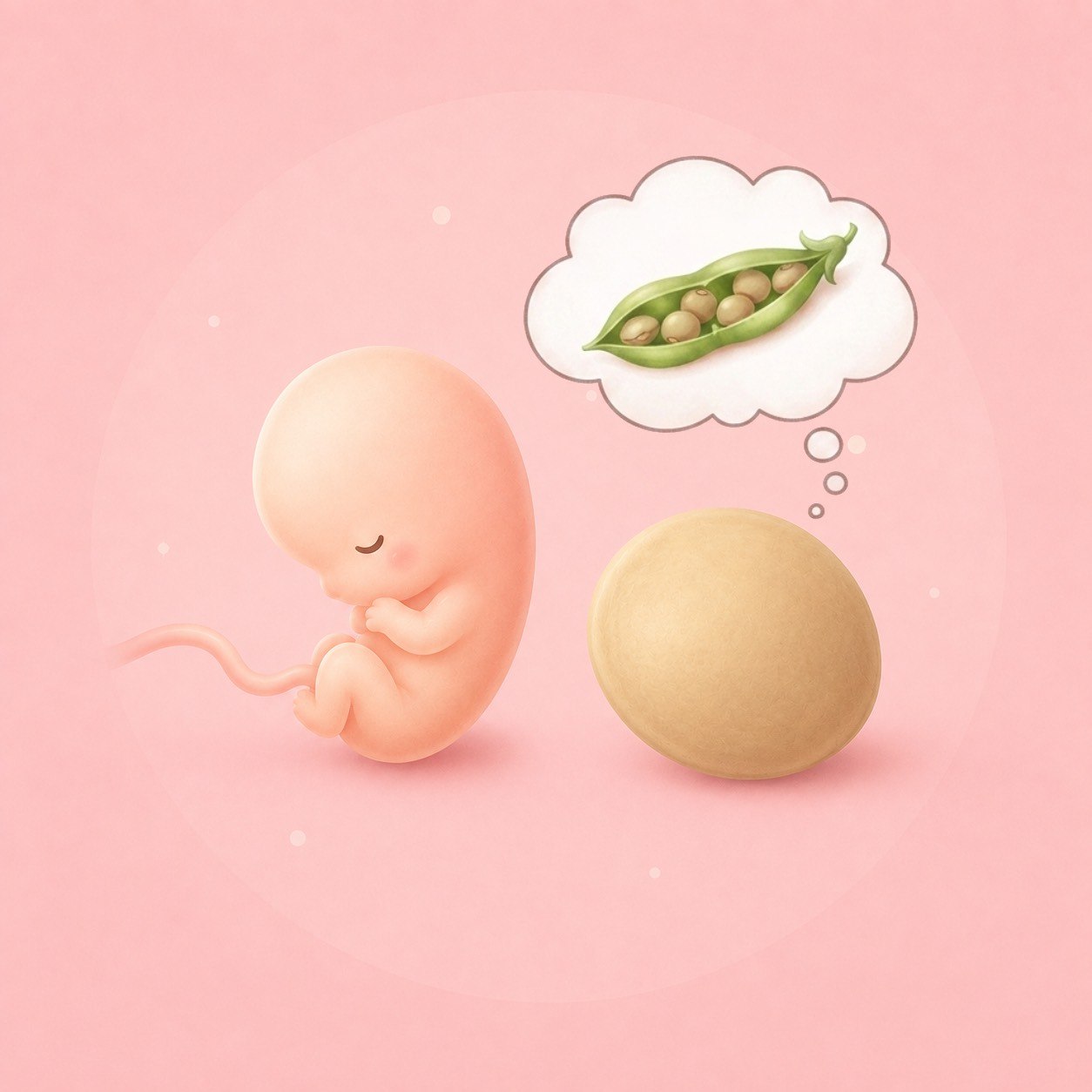
Your baby is about 35-36 cm long from head to heel and weighs roughly 0.76 kg — somewhere between 750 and 800 g. That’s a gain of around 150-200 g a week from here on, which is why the growth curve starts to look steep on paper.
| Week | Length (approx.) | Weight (approx.) |
|---|---|---|
| 24 | 30 cm | 600-660 g |
| 25 | 34-35 cm | 660-700 g |
| 26 | 35-36 cm | 750-800 g |
| 27 | 36-37 cm | 850-900 g |
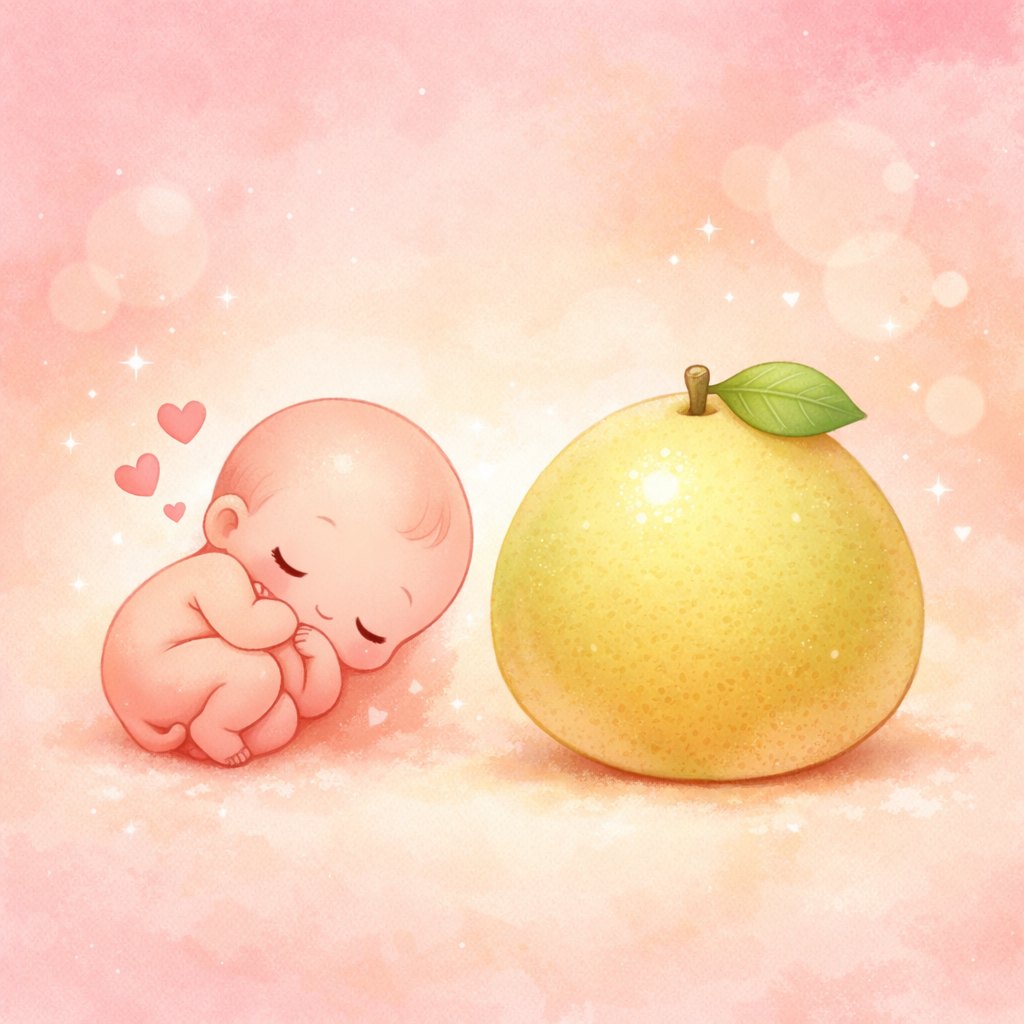
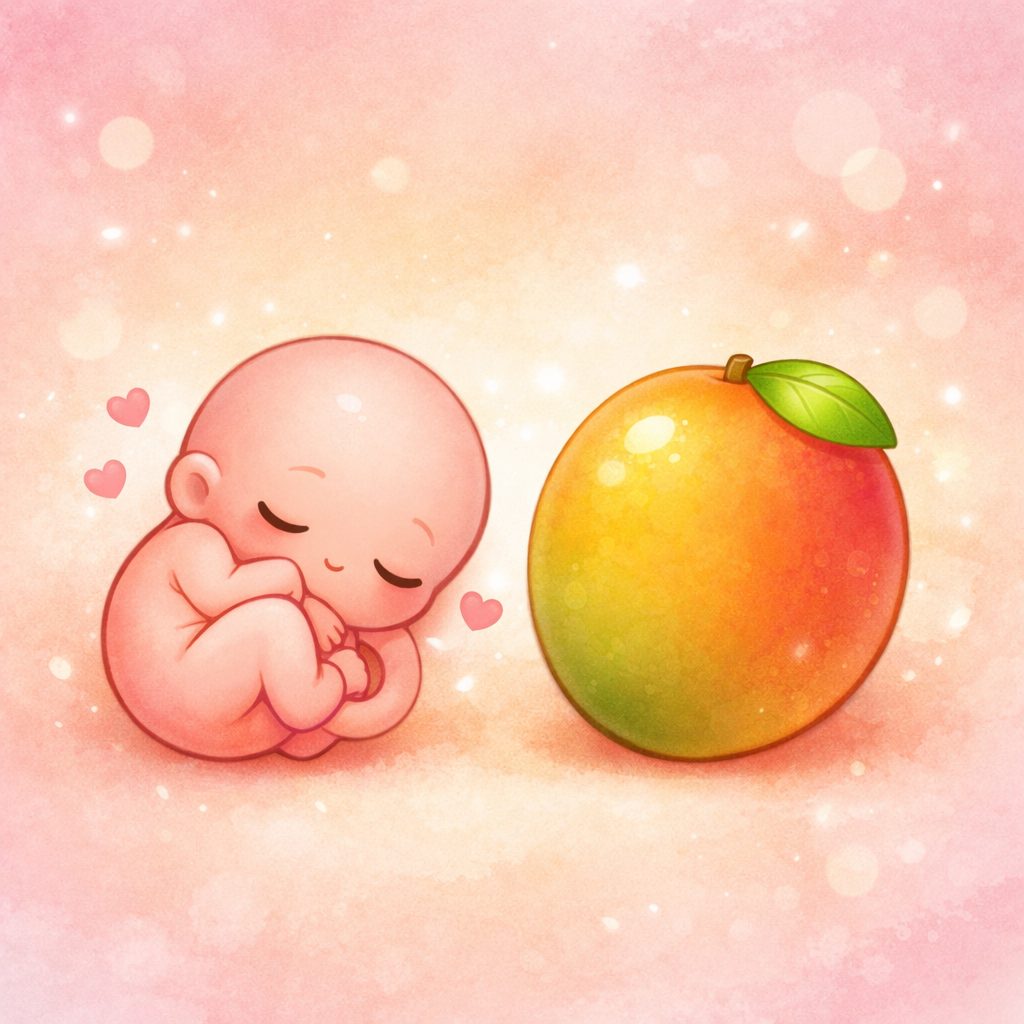
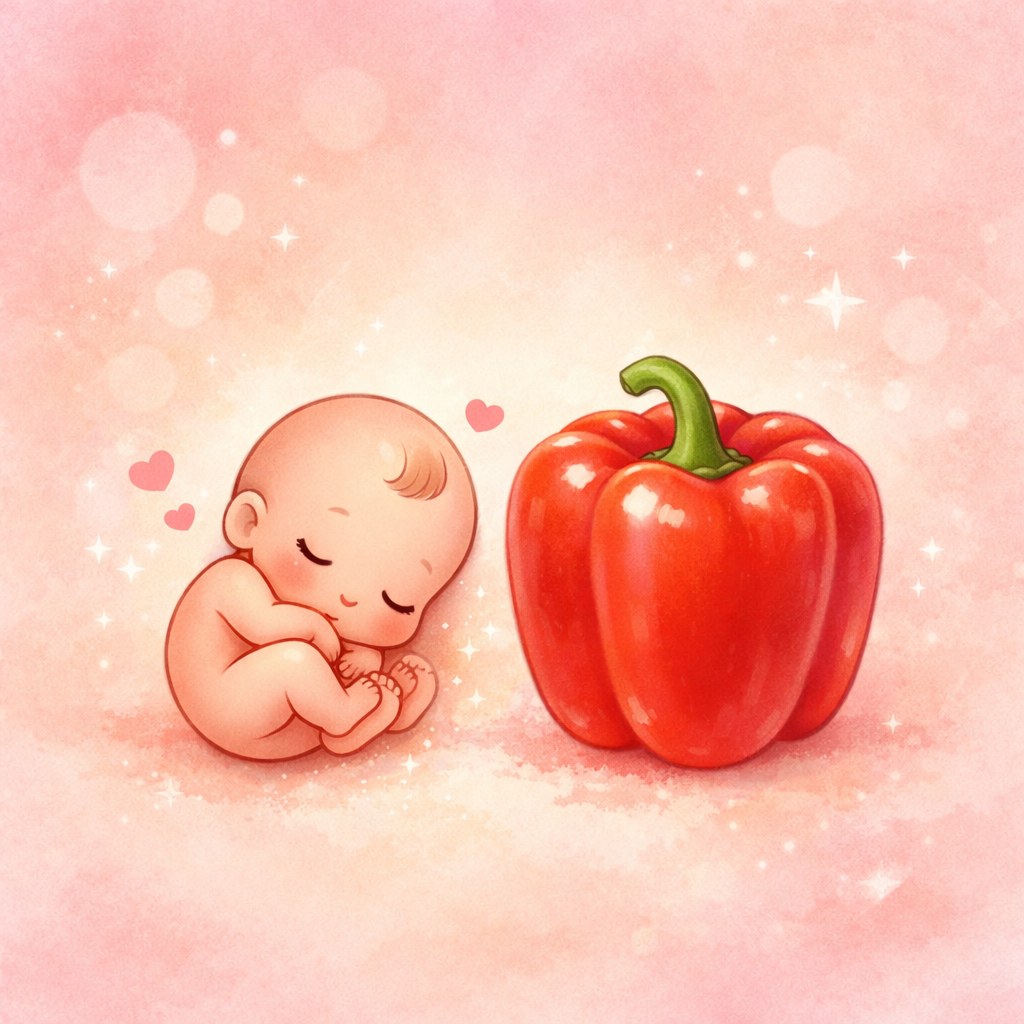
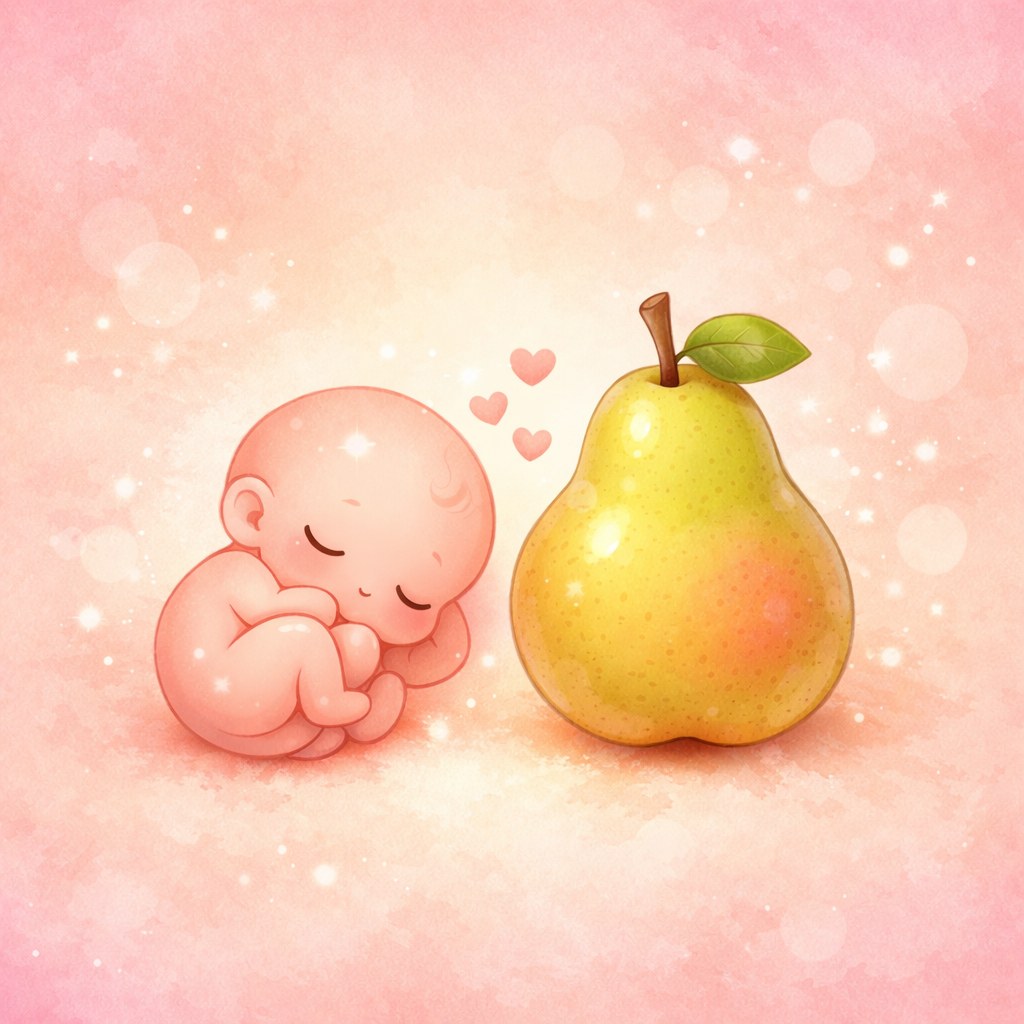
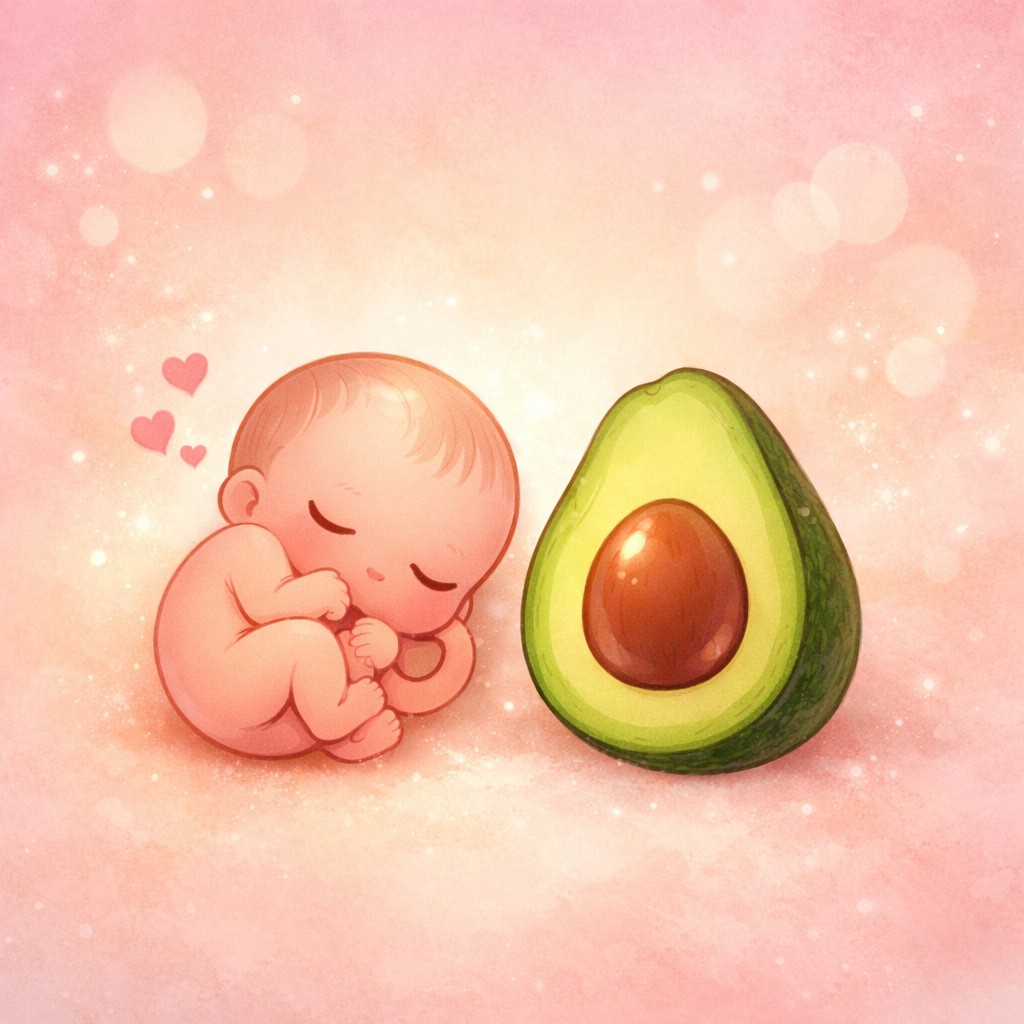
The food comparison people use this week is a head of romaine lettuce, mostly because of the long shape. But the number on the scan is not a score: one baby at the 10th percentile and another at the 90th can be 200 g apart and both be perfectly healthy. What your midwife is watching is the trend across scans, not a single measurement.
Your baby’s eyes are opening this week
Until a few weeks ago your baby’s eyelids were fused shut, protecting eyes that were still being built. Around 26 to 27 weeks those lids separate, and your baby starts opening and closing their eyes — blinking, in a manner of speaking, and reacting to changes in light coming through your belly.
The eyes are the headline, but the bigger news is happening in the chest:
- The lungs start making surfactant, the substance that stops the air sacs from collapsing every time you breathe out. It’s the single thing a premature baby needs most, and the reason steroids are given when there’s a threat of early delivery.
- Hearing is fully switched on. Your voice is the loudest, most familiar sound in there, and a sudden bang can make your baby jump.
- Sleep comes in cycles now — deep sleep and REM, and in REM your baby moves, stretches and possibly dreams.
- Brown fat is being laid down around the neck and between the shoulder blades, the reserve that will help regulate temperature after birth.
- Fingerprints are done. They were completed weeks ago and won’t change.
Hiccups, and what that rhythm is
Those regular little taps in the same spot, always at the same pace, are hiccups. The diaphragm contracts, your baby swallows amniotic fluid, and you feel the rhythm from outside. They can last two minutes or ten and they mean nothing bad — some babies have them daily, others hardly ever. This week the larynx is also getting ready for the first cry, which is why the hiccups may feel more frequent than before.
”Not moving as much”: reading movements at 26 weeks
This is the search I see most often at this stage, and it usually comes from a place of fear rather than curiosity. So let’s be clear about what matters.
There is no universal number of kicks per hour that proves everything is fine. What matters is your baby’s own pattern. Some babies are busiest at night, some after meals, some the moment you lie down. Spend a few days noticing when and how much your baby moves, and treat that as your baseline. From then on, what you’re watching for is a clear change from their normal — not a comparison with anyone else’s baby.
At 26 weeks the movements should be unmistakable: kicks you can see from outside, whole-body rolls that change the shape of your bump, and the occasional jab under the ribs. If you’ve been feeling them for weeks, that’s your reference. If this is your first pregnancy and you’re still not sure, give it another week or two — first movements are easy to mistake for wind.
What to do if the pattern changes
If your baby is noticeably quieter than usual and the change lasts for hours, call your maternity unit the same day. Not tomorrow, not after dinner, not “let’s see how the night goes”. You’ll be checked with a monitor and usually a scan; the overwhelming majority of these visits end with a healthy heartbeat and a baby who starts kicking the moment the monitor is attached.
Never use a home doppler to reassure yourself instead of calling. Hearing a heartbeat proves the heart is beating, not that your baby is well, and it can delay the one thing that actually helps: being seen.
Belly button, ribs and a bump that feels tight
Your uterus now sits about two fingers above your belly button, which explains most of what you’re feeling this week:
- A tight, hard bump, especially in the evening or after eating.
- Rib pain, usually on the right, from the uterus pushing up and small feet finding the gap.
- Heartburn and reflux — less room for the stomach, and progesterone relaxing the valve.
- Shortness of breath when you talk for long or climb stairs.
- Night cramps in the calves and feet.
- Swollen ankles by the end of the day.
- Numb hands from pregnancy carpal tunnel.
- Waking up to pee, sometimes more than once.
- Braxton Hicks: irregular, painless tightenings that stop when you change position.
When a sore belly button is not just stretching
A belly button that flattens and then pops outwards is completely normal — the uterus is pushing from the inside and the abdominal fascia stretches. It usually settles after birth, though not always to exactly what it was before.
Sharp pain at the navel when you sit up is usually tissue being pulled. But constant navel pain with fever, redness or a hard, tender lump needs checking, because an umbilical hernia is a real possibility and pregnancy makes it more likely.
Rib pain deserves the same nuance. Most of it is mechanical and eases when you change position, stretch one arm overhead or stop slouching. Pain in the upper right abdomen or under the right ribs that comes with nausea, a bad headache or blurred vision is a different story — that gets checked the same day, because it can point to liver problems or pre-eclampsia.
The appointments that fall between weeks 24 and 28
If you haven’t had your glucose test yet, this is the window: it’s done between 24 and 28 weeks. You don’t need to diet beforehand, but don’t spend the morning before it on sugary cereal. If the result is high, you’ll be offered the longer test to rule out gestational diabetes — most cases are managed with food and movement, and it resolves after birth.
This is also when the whooping cough (Tdap) vaccine is usually offered, and when your anti-D injection is given if you’re Rh negative. Neither is about protecting you: both are about your baby arriving with antibodies or without an immune reaction.
Worth putting on the list now:
- Your birth preferences — many units ask for them in writing by around 36 weeks, but thinking about it now is easier than doing it at 38.
- The antenatal or hypnobirthing class, if you’re taking one.
- Paperwork: maternity leave, whatever certificate your employer needs.
- The car seat. It’s the one purchase that’s genuinely hard to sort out at short notice.
When to call your midwife or maternity unit
Call the same day — do not wait for your next appointment — if you notice:
- Regular contractions (every 10 minutes or closer) that don’t stop when you rest or drink water.
- Any fluid leaking from the vagina, or a feeling that something has broken.
- Bleeding from the vagina, with or without pain.
- A severe headache with swelling of hands and face, or blurred vision — possible pre-eclampsia.
- A temperature above 38 °C, or chills.
- Noticeably fewer movements, not returning to normal within a few hours.
- Severe pain on one side of your bump, in a shoulder, or when you pee.
- Intense itching of hands and feet, worse at night — obstetric cholestasis needs ruling out.
Nobody in maternity care is annoyed by these calls. That’s literally what the number is for.
And if you’re second-guessing how far along you are, our free online pregnancy test is a symptom questionnaire that gives you an idea of what to look at, and the finger pregnancy test game is there for fun: it’s just a game, not a real test.
FAQ
How many months is 26 weeks pregnant? You’re six months pregnant, in the second trimester. The sixth month runs from week 22 to 26, and the third trimester starts at 28 weeks.
How much does a baby weigh at 26 weeks in kg? About 0.76 kg — roughly 750 to 800 g — and around 35-36 cm long. There’s a normal range either side of that.
What size fruit is a baby at 26 weeks? A head of romaine lettuce is the usual comparison. Different charts use a courgette or a large onion; the centimetres matter more than the fruit.
Do symptoms of a boy or girl at 26 weeks mean anything? No. The shape of your bump, how much hair you have or whether you’re craving sweet things tell you nothing about your baby’s sex. Only a scan or a blood test can.
Is it normal to have a hard, tight belly at 26 weeks? Yes, especially in the evening. Braxton Hicks are irregular, painless and stop when you change position. Regular, painful contractions that get closer together need calling in.
Why does my belly button hurt? Usually stretching of the abdominal wall as the uterus rises. If the pain is constant, there’s a hard lump or you have a fever, get it checked for an umbilical hernia.
Should I be counting kicks at 26 weeks? Formal kick counting isn’t recommended this early — it’s usually started in the third trimester. What helps now is learning your baby’s pattern so you’d notice a real change.
Is it too late to do the glucose test at 26 weeks? No, you’re right in the window — it’s done between 24 and 28 weeks. If you’ve already had a normal result, it isn’t repeated without a reason.
This article is for information only and does not replace the assessment of your midwife or doctor. If you have any concerns about your pregnancy, always contact a healthcare professional ❤️.
Sources
- NHS — 26 weeks pregnant
- NHS — Your baby’s movements
- NHS — Pre-eclampsia
- MedlinePlus — Fetal development
- ACOG — How your fetus grows during pregnancy
- ACOG — Preterm labor and birth
- WHO — Preterm birth